Trending Articles

More Articles



Anxiety and Stress Relief Supplements: What Really Works?
Key TakeawaysAshwagandha, magnesium, and L-theanine have the strongest research track record for easing everyday stress.Vitamin D and B-complex vitamins really only move the needle if you're actually low on them.Natural supplements for stress work best as a backup to sleep, movement, and therapy-not a replacement.Herbal picks like kava and valerian aren't as harmless as they sound; liver risks are real.Never mix supplements to reduce anxiety with prescription meds without checking with a doctor first.Ever feel wired for no real reason, like your brain just won't switch off? You're not alone, and the supplement aisle knows it. Shelves are stacked with anxiety and stress relief supplements promising calm in a capsule, but honestly, half of them don't live up to the label. This guide sticks to the natural supplements for stress that actually have research behind them-how they work, what a sensible dose looks like, and where you genuinely need to be careful.What is the Best Vitamin for Stress and Anxiety?Here's the thing-there's no single best vitamin for stress and anxiety that works the same for everyone. It really comes down to what your body's already short on. Vitamin D, magnesium, and B-complex vitamins keep coming up in research tied to mood and nervous system function. If you're deficient in one of these, that gap alone can make you feel more irritable, tired, and on edge, so it's worth getting bloodwork done before you start popping pills.Best Supplements for Stress: A Quick Comparison TableIt helps to see things side by side instead of scrolling through ten different articles. The best supplements for stress don't all work the same way-some kick in within the hour, others take a month of sticking with it. Here's a quick cheat sheet with dosing, how long you'll likely wait, and what to watch out for.SupplementTypical DoseHow Fast It May WorkKey Safety NoteAshwagandha300-600 mg daily4-8 weeksDon't use continuously for the past 3 monthsMagnesium (glycinate)200-400 mg daily1-3 weeksHigher doses can upset your stomachL-theanine100-200 mg daily30-60 minutesPretty well tolerated overallOmega-3 (EPA/DHA)1-2 g daily6-12 weeksCan thin blood; caution on blood thinnersVitamin D31,000-2,000 IU dailyWeeks to monthsGet levels tested before going high-doseChamomile220-400 mg extract2-4 weeksSkip it if ragweed or daisies bother youNatural Supplements for Stress You Can Try TodayA handful of natural supplements for stress actually have clinical trials backing them, not just glowing reviews on a product page. The five below turn up again and again in nutrition and psychiatric studies. Each one nudges your body differently, so it's less about "which is best" and more about which fits what you're dealing with.1. AshwagandhaThis is an old Ayurvedic herb, and honestly, it's earned its reputation. Studies keep showing it can lower cortisol and take the edge off self-reported anxiety scores. Most research lands around 300-600 mg of standardized extract per day. Just don't stay on it indefinitely-three months, then a break-is the general rule.2. MagnesiumA lot of anxious, wired feelings trace back to running low on magnesium. Going with the glycinate form seems to sit more easily on the stomach while still supporting calmer nerves and muscles. It's not an overnight fix-give it a few weeks before deciding if it's doing anything for you.3. L-TheanineThis is the calming compound in green tea, and it's kind of unique because it relaxes you without making you drowsy. Some people say it just takes the jagged edge off within an hour. It's a solid pick if you know exactly when stress hits-before a meeting, say, or an exam.4. Omega-3 Fatty AcidsFish oil isn't just a heart-health thing. EPA and DHA support the actual structure of brain cells and seem to calm inflammation tied to mood problems. This one's a slow burn-think months, not days-so it only works if you actually keep taking it.5. ChamomileDon't underestimate the tea aisle. Chamomile has more research behind it for generalized anxiety than most people realize, and it's about as safe as supplements get. Capsule, extract, or a cup before bed-all work, and it's a nice low-stakes place to start.Curious about a stronger option? This breakdown of 5-HTP walks through dosing, benefits, and where it can get risky if mixed with the wrong medications.Best Supplements for Relaxation and Better SleepStress keeps you up, and being tired makes you more stressed-it's a loop. That's why the best supplements for relaxation usually double as sleep helpers. Melatonin, valerian, and lavender extract show up most often here, and lavender in particular has solid anxiety data without knocking you out cold.Melatonin: fine for the occasional bad night, not something to take nightly forever.Valerian root: can help you sleep, though there are rare liver-related concerns worth knowing.Lavender oil capsules: studied for generalized anxiety with a genuinely strong safety record.Passionflower: a gentler option, often stacked with other calming herbs for extra effect.Supplements to Reduce Anxiety: What Does the Research Say?People searching for supplements to reduce anxiety are usually hoping for a natural stand-in for medication. Truth is, the evidence is a mixed bag depending on what you pick. Ashwagandha and L-theanine have the best data behind them. Kava looks promising too, but it comes with a genuine liver-risk warning label.Anxiety and Stress Relief Supplements: Safety Tips Before You Start"Natural" doesn't automatically mean risk-free, and that trips people up more than it should. Some anxiety and stress relief supplements interact badly with antidepressants or blood thinners. Brand quality is all over the place too, so skipping the third-party testing step is a gamble you don't need to take.Loop your doctor in first, especially if you're already on medication.Stick to third-party tested brands, so you know what's actually in the bottle.Add one thing at a time-otherwise you won't know what's actually working.Give herbal options four to eight weeks before writing them off as useless.Remember supplements support your routine; they don't replace real therapy or care.Want more to choose from? Injection.com's vitamins and supplements section has plenty of other options worth a look.ConclusionThere's no magic capsule that erases stress overnight, but a few options genuinely earn their hype. Ashwagandha, magnesium, and L-theanine have the most solid research behind them, while others fit more specific needs like sleep or one-off nerves. Start with one, go slow, stay safe, and let sleep and movement do some of the heavy lifting too.FAQsAre anxiety and stress relief supplements safe to take daily?Most, like magnesium and L-theanine, are fine for daily use at normal doses. Ashwagandha's usually meant for shorter stretches, though. Check with a doctor first, especially if you're already on medication or managing another health condition.How long do natural supplements for stress take to work?L-theanine can kick in within about an hour, which is fast for a supplement. Ashwagandha and omega-3s are slower burners-plan on four to twelve weeks of steady use before you notice any real, lasting difference.What is the best vitamin for stress and anxiety if I'm not deficient?Without a deficiency, magnesium and B-complex vitamins still offer some general support, but don't expect miracles. You'll likely get more out of targeted options like ashwagandha or L-theanine than just piling on extra vitamins.Can I combine multiple supplements to reduce anxiety at once?It's smarter to add one at a time so you actually know what's helping. Stacking several raises the odds of a bad interaction, especially with kava, valerian, or 5-HTP. Space things out and ask a doctor first.Do the best supplements for relaxation work as well as prescription medication?Not really, no-they're not built to replace treatment for moderate or severe anxiety. They can genuinely take the edge off everyday tension, but they shouldn't stand in for therapy or medication once symptoms start disrupting daily life.
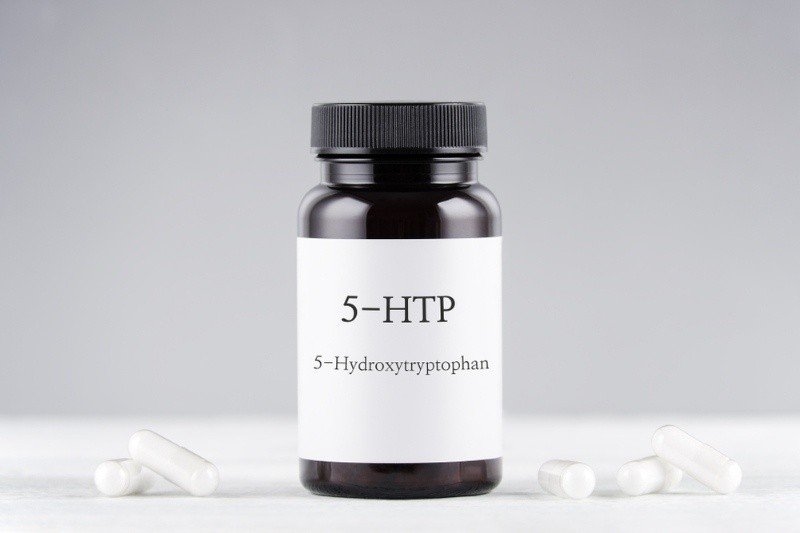
5-HTP Explained: Uses, Health Benefits, and Safety Tips Now
Key Takeaways5-HTP is a naturally occurring amino acid your body uses to make serotonin.People take it for mood support, deeper sleep, appetite control, and fewer headaches.Research hints it may ease anxiety and mild depression symptoms-but the evidence is still thin.Typical doses range from 100 to 300 mg daily, though migraine and weight-loss studies have used much higher amounts.Nausea, stomach upset, and drowsiness are the most common side effects, especially at higher doses.Talk to a doctor before mixing 5-HTP with antidepressants or anything else that affects serotonin.You've probably landed here because you're looking for a more natural way to manage your mood or sleep-and 5-HTP keeps popping up in that search. It's a compound your body relies on to build serotonin, and that's exactly why people reach for it when they're feeling anxious, low, or just plain restless at night. So what does 5-HTP do once it's actually in your system? And is it something you should be taking regularly? Let's walk through what 5-HTP is, what it does, its benefits, the side effects worth knowing, and how to pick a decent supplement.What is 5-HTP?5-HTP, short for 5-hydroxytryptophan, is an amino acid your body naturally produces from tryptophan. Its main job is helping create serotonin-the neurotransmitter behind mood, sleep, and appetite. Most supplements, though, don't come from tryptophan directly. They're extracted from the seeds of an African plant called griffonia simplicifolia, which happens to be absorbed into the body more easily.Does 5-HTP Come From Food?Here's something people get wrong a lot-5-HTP itself isn't found in any food. Your body has to make it from tryptophan, an amino acid that is in food, found in things like turkey, eggs, and cheese. Eating more tryptophan-rich meals, though, doesn't reliably raise your 5-HTP levels the way a supplement does.What Does 5-HTP Do?Once you take it, 5-HTP crosses into the brain and gets converted straight into serotonin. That one chemical touches a surprising number of things-your mood, your sleep-wake cycle, and even how hungry you feel. That's the whole appeal, really. People take 5-HTP hoping to feel a little calmer, sleep a little better, or stop reaching for snacks at 11 pm.5-HTP Benefits Worth Knowing50-100 mgMost of what people credit to 5-HTP benefits ties back to that serotonin boost. Some report sleeping better, feeling steadier emotionally, eating less, or getting fewer migraines once they're on it consistently. The research is encouraging, not conclusive-a lot of the trials are small-so it's worth treating 5-HTP as a supplement, not a substitute for actual treatment when something's seriously wrong.May support better sleep by helping the body produce more melatoninCould help take the edge off appetite for people managing their weight-some studies used doses as high as 750-900 mg for this specific purposeShows up in some studies as mildly mood-lifting, occasionally on par with certain antidepressants in short trialsMay cut down on tension headaches or migraines, with research pointing to daily doses of 400-600 mg for that particular useEarly findings suggest it may ease fibromyalgia symptoms like pain, stiffness, and fatigue, though this area needs more studyIf sleep's been the real problem for you, our piece on natural sleep support strategies digs into a few other angles worth trying alongside 5-HTP.Is 5-HTP Good for Anxiety?There's a real link between low serotonin and anxiety, which is why so many people look into 5-HTP for anxiety specifically. A handful of small studies suggest it can take the edge off nervousness by supporting serotonin levels-but "can" is doing a lot of work in that sentence. Some early research actually found that higher doses, above roughly 225 mg a day, seemed to make anxiety worse rather than better. Responses vary a lot from person to person, and it works best paired with therapy, not instead of it.Can 5-HTP Help with Depression?Depression and serotonin imbalance are closely connected, so it's no surprise researchers have looked at 5-HTP for depression too. Early trials show it might lift mood modestly-somewhat comparable to certain antidepressants like fluoxetine-in a few short six-to-eight-week studies. That said, most of this research dates back decades and used weaker study designs by today's standards, so it's not something that should replace a treatment plan your doctor has already put you on.Choosing 5-HTP SupplementsNot all 5-HTP supplements are created equal. Look for third-party testing, a label that actually tells you the dose, and a brand you can trust. Most products fall somewhere between 50mg and 300mg per capsule, and many people start low - around 25 to 50mg - before working up gradually. There's no official recommended daily allowance, so dosing really comes down to what you're using it for and how your body responds.Common FormTypical DoseBest ForStandard capsule50-100mgFirst-time usersExtended-release100-200 mgSleep supportHigher-dose200-300 mgUnder medical supervision onlyResearch-level dosing400 mg+Migraine or weight studies, doctor-supervised5-HTP Side Effects to Watch ForLike most supplements, 5-HTP side effects tend to show up more at higher doses. Nausea, stomach cramps, diarrhea, and drowsiness are the usual suspects. At very high doses, some people have also reported confusion, heightened anxiety, or memory trouble-a good reminder that more isn't always better here. There's also a rarer but serious risk-combining 5-HTP with antidepressants or MAOIs can trigger something called serotonin syndrome. Pregnant women and anyone on SSRIs should steer clear unless a doctor says otherwise.It's also worth knowing that 5-HTP has a bit of a checkered safety history. Back in the 1980s, a contaminant known as "peak X" was linked to a serious neurological condition tied to tryptophan supplements, and a small number of similar cases were later reported with contaminated 5-HTP too. It's rare, but it's exactly why sourcing from a reputable, tested brand matters more than it might seem.Also Read: How to Choose the Top 4 Protein Supplements in 2026?Frequently Asked QuestionsWhat is 5-HTP used for?It's mostly taken to help the body make more serotonin-which is basically why it gets tied to mood, sleep, appetite, and even headache frequency. It comes from tryptophan and is usually pitched as a natural alternative worth trying.Is 5-HTP safe to take daily?For most healthy adults, taking it short-term at a moderate dose seems fine. That said, we don't have much long-term safety data yet, and things like nausea can still pop up. Best to run it by a doctor first.Can 5-HTP cause weight loss?A little, maybe-it can make you feel fuller and curb appetite by way of serotonin. A few small studies show modest drops in calorie intake. Just don't expect it to be a weight-loss fix-all on its own.Does 5-HTP interact with medications?Yes, and this one actually matters-it can interact with antidepressants, migraine drugs, and other serotonin-affecting medications, which raises the risk of serotonin syndrome. Always loop in a healthcare provider before mixing it with prescriptions.How long does 5-HTP take to work?For most people, it takes somewhere between one and two weeks of consistent use before mood or sleep starts shifting-though everyone's timeline looks a bit different. Appetite tends to change faster than mood does.

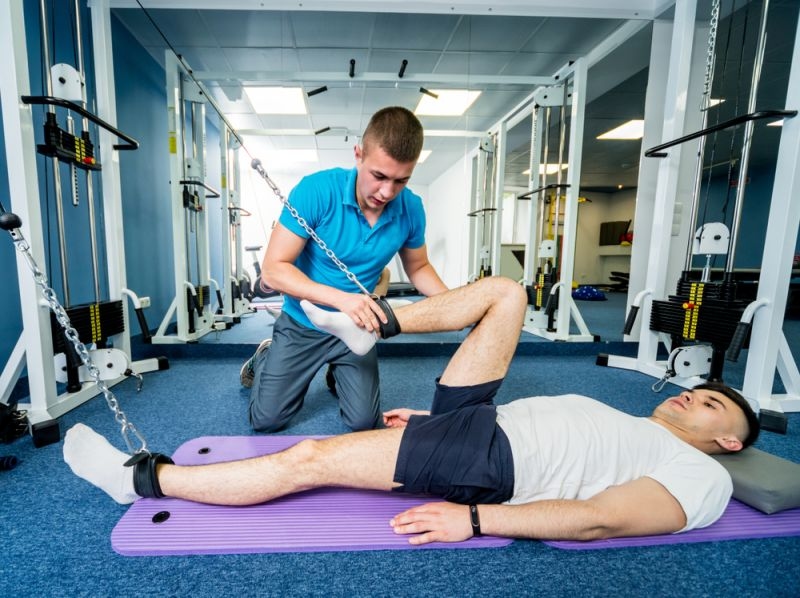
What is Occupational Therapy vs. Physical Therapy?
Key TakeawaysFirst, figure out your main challenge. Is it movement or strength? Maybe balance-or just getting through your everyday routine on your own. Know the difference between PT (physical therapy) and OT (occupational therapy) before you decide on anything. If your main problem is pain, mobility, or getting your body moving again, physical therapy's your go-to. If you're struggling with self-care, work, or daily tasks, occupational therapy's the better fit. However, don't just assume; get talking to your doctor or a professional in the area to help you work out the best choice for you.People ask about occupational therapy vs. physical therapy all the time, especially after an injury, surgery, or stroke or when dealing with ongoing health issues. Both types help you regain independence and a better quality of life, but they look at recovery from different angles.Here's something interesting: careers in both physical and occupational therapy are taking off, according to the U.S. Bureau of Labor Statistics. That growth is thanks to our aging population, more sports injuries, rising neurological problems, and a bigger need for long-term rehab.If you've ever wondered, "Should I pick PT or OT?"-you're definitely not alone. In this article, you'll see how PT and OT are different, what each treatment involves, and how you can take advantage of both depending on your needs.What is Physical Therapy? Physical therapy can be defined as the act of taking care of your physical well-being that helps to improve your motion, power, flexibility, and ability to coordinate, build your power, etc. Physical therapists work with people after injuries, surgeries, or conditions that affect how you get around.What Does a Physical Therapist Do?A physical therapist watches how you move, pinpoints what's holding you back, and creates a plan to cut your pain and get you moving better. Their main goal? Make your body work for you-not against you. Physical Therapy can heal you faster if practiced constantly under supervision.Here's what they often useExercisesStretching routinesStrength trainingBalance and walking drillsHands-on therapyJoint mobilizationRehab after surgeryLet's say you had a knee replacement or a bad sports injury. Typically, the first stop is physical therapy to help you regain strength and the ability to move before hopping back into your usual routine.What is Occupational Therapy?Occupational therapy is about your daily life-helping you do things like dress yourself, shower, cook, write, work, drive, or enjoy hobbies. They call these "occupations," and it doesn't just mean your job.What Does an Occupational Therapist Do?These therapists figure out how problems with your body, mind, or senses are making everyday activities harder. Next, they look at ways to help you become more independent. These include the use ofFine motor trainingHand and arm therapyAdapted tools and equipmentCognitive training and memory aid strategiesSensory integration activitiesRecommendations for modifications to the home or work environmentPractice on a range of daily activitiesPerhaps you've had a stroke and are finding you struggle with the simple act of buttoning your shirt or cooking a meal. Occupational therapy can get you back on track by helping you practice the steps and regain control over routine tasks.What is the Difference Between Physical Therapy and Occupational Therapy?The easiest and simplest way to distinguish between Occupational Therapy vs. Physical Therapy is this: Physical Therapy concentrates on how you move. Occupational Therapy concentrates on how you complete tasks to get your job done throughout your day. Here is a breakdown that helps differentiate PT vs. OTPhysical TherapyGoal-Rebuild movement, balance, and mobility. Focuses on joints, muscles, and movement. Treatments: Post-surgical patients, sports injuries, and patients with poor movement and balance. Uses: Exercises for mobility. Occupational TherapyGoal - Restore function for daily living tasks and promote independence.Focuses on -- fine motor function, handwriting, work activities and home activities.Treats: Stroke victims, Arthritis, Hand/Developmental injuries. Uses -- Task-oriented practice and adaptive aids and techniques.Physical Therapy vs Occupational Therapy for InjuriesChoosing between PT and OT depends on what's toughest for you right now.Go with physical therapy ifWalking or standing is hardMovement causes painYou need to get strength back after surgery.Your balance is offYou're bouncing back from a sports or orthopedic injuryGo with occupational therapy if- Dressing, bathing, or cooking feels overwhelming- Trouble using hands or arms gets in the way- You need special devices or changes at home for independence- Cognitive or sensory problems are scrambling your day- You're trying to get back to work or school but need specific trainingIn lots of cases, people use both types-especially after big injuries or neurological problems. They work together for a more complete recovery.Physical Therapy BenefitsPhysical therapy isn't just for healing injuries. It can help keep you moving long-term and even cut down on pain meds. Physical Therapy can help with the followingLess pain and stiffnessStronger muscles and better enduranceImproved balance and preventing fallsFaster recovery from surgeryGreater flexibility and range of motionBetter athletic abilityLess reliance on pain drugsIt can be taken as a supplement or as a course of physical therapy treatment and works when pain management is required for arthritis, back pain, or anyone who finds moving is becoming increasingly difficult.Occupational Therapy BenefitsOccupational therapy is all about making life easier and more manageable. Here's what you get from occupational therapy treatmentDo more daily activities soloBetter hand control and coordinationBrain boosts for organization and memorySafer home and work environmentGet back to hobbies and social lifeTake some pressure off your family caregiversFor anyone whose challenges go beyond movement-like handling day-to-day tasks-OT really makes a difference.When To See a Physical Therapist vs Occupational TherapistKnowing who to see helps you get the right help faster.Consult your Physical Therapist forPain in the back or neckJoint injuryWeaknessTrouble walkingSports injuriesRange of motion after surgeryConsult an Occupational Therapist forDifficulties with dressing or bathingInjury affecting hand or wrist for basic tasksFunctional limitations post-strokeSensory or developmental deficitsDifficulties at home or work with tasks following cognitive changesIt can be hard to decide; ask your doctor or rehab team if you are unsure. They'll steer you toward the right therapy for your goals.What are the PT and OT Differences in Real Life?Let's say you injure your shoulder. The physical therapist focuses on movement-reducing pain, restoring your arm's range, and building muscle strength. The occupational therapist steps in when you're trying to cook, type, drive, or dress yourself without hurting. Both therapists are important-usually, you'll need help from both sides to really get back on track.ConclusionUnderstanding the differences between occupational therapy and physical therapy helps you pick the right type of care. PT gets your body moving again; OT gets you doing the things you need and want to do, day in and day out.We've gone over the nitty-gritty-who does what, when to see which specialist, and how both therapies work together. It really comes down to this: Are you struggling to move your body or to use your body in daily life? Knowing where your main challenges lie helps you heal faster and get your independence back sooner.Don't guess about rehab. Reach out to a professional who can figure out what you need and point you toward the best therapy-or both. There are tons of resources and info at Injection.com to help you understand your options and make choices that support your recovery.Ready for the next step? Talk to a rehab specialist who'll look at your symptoms, your goals, and your daily challenges-and put together a plan to get your independence back.FAQsCan Physical Therapy and Occupational Therapy Happen at the Same Time?Yes. Many people do both-PT works on your strength and movement, while OT helps you use those skills in daily life. It's often more effective to combine them.Is Occupational Therapy Just for Kids?Not at all. Adults and seniors use OT, too. Whether it's for stroke recovery, arthritis, hand injuries, neurological problems, or coping with everyday life as you age, OT is valuable at any age.Does Insurance Cover PT and OT?Many plans do, including Medicare and workers' comp, when it's medically necessary. Policies can set limits or require referrals, so always double-check with your provider and talk to your care team about what's covered.How Long Does Rehab Usually Last?There's no set timeline. Some people bounce back in a few weeks; others need months. Your progress depends on your condition, how severe it is, your health, and your goals. Sticking to your home and therapy exercises pays off in faster, better results.Which Therapy is Better After a Stroke?There's no one-size-fits-all answer. Physical therapy helps you walk, balance, and build strength, while occupational therapy helps you regain daily independence and hand skills. Most stroke recovery plans use both PT and OT for the best possible outcome.
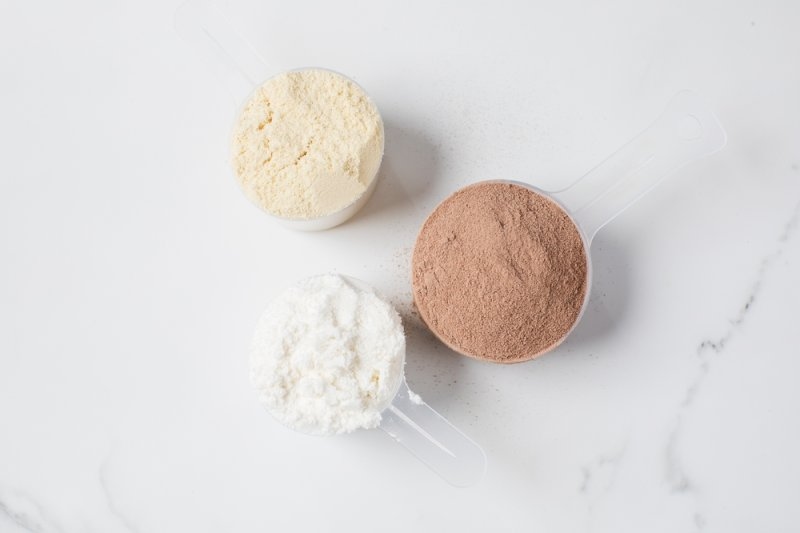
How to Choose the Top 4 Protein Supplements in 2026?
Key TakeawaysBefore you buy a protein supplement, get clear about your main goal. Are you looking to gain muscle, lose weight, replace a meal, or just boost your overall nutrition? Figure that out first. Look for 20-25 grams of protein per serving, and keep an eye on added sugars-they sneak in everywhere. Always check the protein source too. That matters a lot if you're vegetarian or sensitive to dairy. When you're comparing whey and plant-based options, don't just trust marketing. Think about digestibility, taste, and whether the amino acid profile aligns with your needs. And remember: Protein powders are there to fill gaps, not to take over your whole diet. Whole foods still matter most.People are obsessed with protein supplements these days. You see them everywhere-at the gym, in offices, even in kitchen cabinets at home. The sports nutrition industry pulls in billions every year, and protein powders are a huge chunk of that. Why? They make it easy to get enough protein, especially if you're busy or trying to lose weight.If you believe the International Society of Sports Nutrition (ISSN), getting enough protein helps fix and grow your muscles, rebuild after tough workouts, and support your overall fitness goals. But even with all the hype, people still wonder: Are protein supplements actually good for you? When should you take them? And do they make you gain weight?Here's the reality: The right choice depends on what you want and how you live. This guide will show you how to use protein supplements, compare whey with plant-based options, discuss liquid protein supplements, talk about using protein powder for weight loss, best protein powder for beginners, how protein supplements are made, and recommend a few great products for beginners in a way that's easy to follow.What are Protein Supplements?At their core, protein supplements are just concentrated protein, usually in powder form. They can come from milk, peas, soy, rice, eggs, or even collagen. The manufacturing process pulls protein out of the original food, strips away everything else, and dries it out-then adds some flavor or other bits and pieces.Whey protein comes out of milk during cheese-making. Plant proteins get pulled from things like peas and rice, then turned into powder. The point is, it's just a way to pack more protein into a convenient scoop.Plant-Based Protein Powder vs. WheyHere are key differences between the two kinds of protein powder supplements, plant-based protein powder vs. whey, below:Whey ProteinWhey's the gold standard for most people. It's quick for your body to absorb, and it's got all the essential amino acids, especially leucine, which is key for building muscle.Plant-Based ProteinPlant-based blends usually mix pea, rice, hemp, or soy proteins to get the right mix of amino acids. These are perfect for anyone avoiding dairy or going vegetarian or vegan.So, what's better? If muscle-building is your main thing, whey takes a slight edge. But if you're vegetarian, vegan, or have issues with lactose, plant-based options are the way to go.Try This: High-Protein Diet Guide: Daily Intake, Meals & Best FoodsBest Protein Powders for BeginnersHere are the top 4 protein supplements:1. Optimum Nutrition Gold Standard WheyThis one's a classic. People trust it because it mixes easily, tastes good, and quality control is consistent.Serving: 31g Protein: 24g Source: Whey isolate & concentrateFlavors: Chocolate, VanillaGood for: Beginners, everyday fitnessDownside: Contains dairy, some artificial flavorsWhere: Amazon, Walmart, GNC Price: $35-$45 (2 lb)2. Dymatize ISO100If you want something super clean that digests fast, especially after a hard workout, this is a good pick.Serving: 32g Protein: 25g Source: Hydrolyzed whey isolateFlavors: Chocolate, Fruity PebblesGood for: Post-workoutDownside: Costs more than regular wheyWhere: Amazon, Vitamin Shoppe Price: $45-$60 (1.6 lb)3. Orgain Organic Plant ProteinFor vegans or those who want plant-based protein with no junk, this one's dependable.Serving: 46g Protein: 21g Source: Pea, rice, chiaFlavors: Chocolate Fudge, Vanilla BeanGood for: Plant-based, dairy-free dietsDownside: Texture's a little thickWhere: Costco, Amazon, Target Price: $30-$40 (2 lb)4. Premier Protein Ready-to-Drink ShakeNeed protein in a rush? This pre-made shake is perfect for busy mornings or after workouts.Size: 11 fl oz | Protein: 30g | Source: Milk protein concentrateFlavors: Chocolate, Caramel, Cafe LatteGood for: People on the goDownside: Can't customize the mix as you do with powderWhere: Costco, Walmart, Amazon Price: $25-$35 (12-pack)When to Take Protein Supplements?Honestly, the total amount of protein you eat each day matters more than the exact timing. Still, a few situations deserve mention:Right after workouts: Grab 20-40g protein within two hours to help muscles recover.Between meals: A shake can tame hunger and fill protein gaps, especially if your meals are low in protein.Before bed: Something slow-digesting (like casein) overnight gives your muscles more building blocks while you sleep.So, pick the timing that helps you hit your daily target and fits your routine.Are Protein Supplements Good for You?For most healthy adults, protein supplements are safe when you use them as directed. They're handy for athletes, older folks with higher protein needs, vegetarians who don't get a ton of protein variety, and people trying to hang on to muscle while losing weight.But remember, supplements don't replace real food. Things like lean meat, fish, eggs, dairy, beans, nuts, and seeds have other important nutrients protein powders just don't have.Do Protein Supplements Make You Fat?Let's clear this up: Protein by itself doesn't make you fat. You gain weight if you eat more calories than you burn, whether those calories come from protein, carbs, or fat. Often people think protein supplements can make you gain weight, but it is not true. Moreover, there are protein supplements for weight loss.On the flip side, higher-protein diets can make you feel fuller and help with appetite control. That's why you see protein shakes included in a lot of weight-loss plans-they help you stick to lower-calorie meals.Must Try: Multiple Sclerosis Diet: Best Foods to Support Your BodyConclusionPicking the right protein supplement isn't complicated if you focus on your personal goal-not just what companies are selling. Whey protein is great for muscle and convenience. Protein supplements for vegetarians, vegans, or anyone who can't do dairy. Knowing how and when to use protein-and being aware of what makes each kind different-makes it easier to make good nutrition choices.The products above are solid if you're just starting, aiming to lose weight, or need something quick and reliable. Just keep in mind, supplements work best when you use them to support a balanced diet, regular workouts, good sleep, and overall healthy habits.Ready to Pick Your First Protein Supplement? Start with something simple that matches your needs. Try it for a few weeks; see how you feel. Consistency matters more than perfection. The best supplement is the one that fits your life and helps you hit your protein target.FAQsCan Teenagers Use Protein Supplements Safely? Healthy teens who play sports usually get enough protein from food. If they do need a supplement, it's best to get advice from a doctor, sports dietitian, or pediatrician. The main thing is not to let shakes replace balanced meals.Is It Better To Mix Protein Powder With Water or Milk? Water makes a lighter, faster-absorbing shake-good right after exercise. Milk adds more protein, calcium, and calories, so it's better if you're trying to gain muscle or want a more filling drink.Can Protein Supplements Replace Breakfast Every Day? Once in a while, sure-if you're short on time. But making it a routine isn't ideal because you'll miss out on nutrients from whole foods like oats, fruit, eggs, and yogurt.How Much Protein Does the Average Adult Need Daily? Most people need about 0.8 grams per kilogram of body weight daily. If you're active, aim for 1.2-2.0g/kg, depending on your workouts and goals. Supplements help fill gaps, but food should come first.Should You Cycle On and Off Protein Supplements? Nope. There's no evidence you need to take breaks from protein powder. As long as you're eating a balanced diet, the product is good quality, and you're not going overboard with calories, you're fine to use it regularly.

Know More About Injectable Drugs
Welcome to your new comprehensive resource on injectable drugs and medications. Explore the vast array of treatments available, from pain management to disease therapies. Discover the benefits, dosage information, and potential side effects of these pharmaceutical wonders. Trust in our expertise to provide you with valuable insights and empower your healthcare decisions.