What is Human Papillomavirus Infection (HPV), and its Cure?

Quick Takeaways
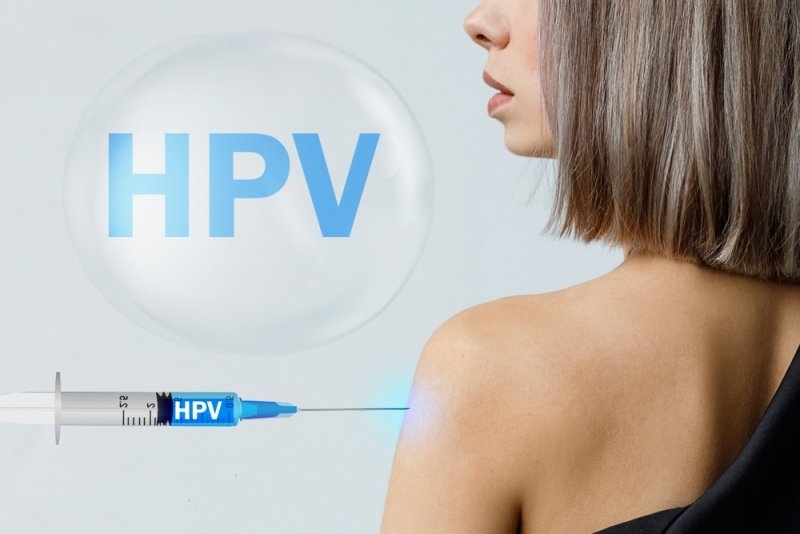
- Human Papillomavirus Infection (HPV) is the most common viral sexually transmitted infection across the globe.
- Most viral strains are harmless and clear naturally through the immune system without causing noticeable symptoms.
- High-risk HPV strains cause cellular changes that can lead to cervical cancer and other reproductive cancers over time.
- Regular Pap smears and specialized HPV testing allow medical professionals to detect cellular abnormalities early.
- Vaccination offers powerful, long-term protection against the viral strains responsible for most cancers and genital warts.
Receiving an unexpected medical diagnosis or hearing about viral risks can feel overwhelming and stressful. Understanding human papillomavirus infection (HPV) is the first crucial step toward taking total control of your reproductive wellness. You are never alone in seeking clear answers. Millions of adults navigate this exact topic every year.
According to official medical data from the Centers for Disease Control and Prevention, roughly 85% of sexually active individuals contract at least one strain of HPV during their lives.
Most people never experience health issues or visible signs. In this complete guide, we will answer what HPV, or human papillomavirus, is; review human papillomavirus infection symptoms; explain how HPV is transmitted; discuss HPV diagnosis and HPV testing; explore HPV treatment options; analyze whether HPV is curable and whether it can go away on its own; evaluate how high-risk HPV connects to cancer; and share proven ways on how to prevent HPV infection using the HPV vaccine.
What is HPV Human Papillomavirus and What Are HPV Causes?
Understanding what HPV, or human papillomavirus, is requires looking at how the virus manifests and the underlying mechanisms behind transmission.
What is HPV, Human Papillomavirus?
Human papillomavirus represents a broad group of over 200 related viruses. It infects epithelial cells, which make up the surface layers of your skin and mucous membranes. While over 150 strains primarily cause benign skin warts, more than 40 specific strains target the mucosal surfaces of the genital tract, mouth, and throat.
Primary HPV Causes and Transmission Mechanisms
The primary HPV causes trace back to direct contact with infected tissue. Understanding how the virus establishes itself in human hosts helps clarify risk factors:
- Direct Skin-to-Skin Contact: Microscopic breaks or abrasions in the skin allow the virus to enter basal epithelial cells.
- Mucosal Membrane Exposure: Epithelial tissues lining the reproductive tract and mouth are particularly vulnerable during intimate physical contact.
- Persistent Cellular Infection: In some cases, the viral DNA integrates into host cell machinery, causing persistent infection over prolonged periods.
What are the Symptoms of HPV?
Many patients ask what are the symptoms of HPV when researching health changes. In most cases, the virus remains completely asymptomatic.
When human papillomavirus infection symptoms do appear, they depend on the specific strain involved:
- Genital Warts: Small, flesh-colored bumps or cauliflower-like clusters in the genital or anal regions.
- Common Warts: Rough bumps appearing on hands or fingers that may cause slight tenderness.
- Plantar Warts: Hard, grainy growths on the heels or balls of feet that create walking discomfort.
- Flat Warts: Slightly raised, smooth lesions that often show up on face or leg surfaces.
Must Try: Learn About Top 10 Sexually Transmitted Infections Or STI
How is HPV Transmitted, Diagnosed, and Tested?
Understanding how the virus spreads and how doctors identify it helps clear up common clinical misconceptions.
How is HPV Transmitted?
Many ask how HPV is transmitted across intimate partnerships. The virus spreads primarily through direct skin-to-skin sexual contact. Penetration is not strictly required for transmission to occur.
HPV Diagnosis and HPV Testing
When evaluating HPV diagnosis, doctors utilize specialized clinical screenings.
| Screening Method | Primary Clinical Purpose | Recommended Frequency |
| Routine Pap Smear | Identifies abnormal cell changes | Every 3 years for women 21 to 29 |
| Specialized HPV Test | Detects high-risk viral DNA | Every 5 years for women 30 to 65 |
| Visual Skin Exam | Locates visible surface warts | Performed during annual checkups |
What are the Key Health Benefits of Understanding and Diagnosis of HPV?
Learning about viral infections empowers you to protect your body and make informed choices for your long-term wellness.
1. Early Detection of Abnormal Cellular Changes
Knowing how the virus behaves encourages routine health screenings. Early detection enables healthcare providers to treat pre-cancerous cell changes long before serious complications develop.
2. Reduced Anxiety and Stigma Through Education
Understanding how common viral strains are eliminates unnecessary shame. Education helps patients view the condition through an objective medical lens rather than fear.
3. Proactive Protection for You and Your Partner
Awareness allows you to take concrete preventative measures. Getting vaccinated and using barrier protection significantly lowers transmission risks across intimate relationships.
How is HPV Treated, How Long Does HPV Last, and is HPV Curable?
Patients frequently wonder how HPV is treated and whether the virus leaves the system permanently.
Is HPV Curable and Can HPV Go Away on Its Own?
There is no medical cure for the virus itself. However, when asked if HPV can go away on its own, the answer is yes. The human immune system naturally clears the virus in about 90 percent of cases within two years.
How Long Does HPV Last, and What Is HPV Treatment?
Asking how long HPV lasts depends on individual immune function. While most cases clear within 24 months, persistent infections can last for years. HPV treatment focuses on managing health effects, such as removing surface warts or clearing abnormal cervical cells using topicals, cryotherapy, or minor surgical procedures.
Essential Reads: What Is Powassan Virus? Symptoms, Risks & Treatment Guide
High-Risk HPV: Can HPV Cause Cervical Cancer?
A primary medical concern is whether HPV can cause cervical cancer. Persistent infections from high-risk HPV strains, particularly types 16 and 18, cause cellular mutations over time.
Beyond cervical tissue, persistent high-risk infections can also lead to cancers of the throat, anus, vulva, vagina, and penis.
Regular health screenings detect these cell mutations early, making cancer entirely preventable in most cases.
How to Prevent HPV Infection and the Role of the HPV Vaccine?
Knowing how to prevent HPV infection involves combining lifestyle choices with safe medical interventions.
- Get the HPV Vaccine: The HPV vaccine protects against nine high-risk and wart-causing viral strains.
- Use Barrier Protection: Dental dams and condoms reduce transmission risks during intimate contact.
- Schedule Regular Screenings: Consistent Pap smears ensure early detection of pre-cancerous changes.
- Maintain Open Communication: Discussing sexual health histories with partners builds mutual safety.
Conclusion
Taking control of your reproductive wellness requires clear facts, reliable medical guidance, and proactive preventative care. Throughout this comprehensive article, we covered the basics of viral causes, identified common symptoms, detailed transmission pathways, clarified diagnostic tests, explored treatment options, evaluated cancer risks, and highlighted the protective benefits of vaccination.
Remember that viral exposure is extremely common and nothing to feel embarrassed about. Equipping yourself with medical knowledge empowers you to protect your long-term health with confidence. Take charge of your personal health journey today by speaking with a trusted healthcare provider, scheduling your routine screenings, and prioritizing preventative care for a healthier future!
Are you ready to prioritize your health and make informed decisions for your future? Schedule a confidential consultation with your medical provider today and discover expert wellness resources to protect your body with peace of mind!
FAQs
At What Age Should Individuals Receive the HPV Vaccine?
Medical guidelines recommend administering the vaccine to adolescents aged 9 to 12 years for optimal immune protection. However, young adults up to age 26 can still receive catch-up doses. Adults aged 27 through 45 can discuss potential vaccination benefits with their doctor based on individual lifestyle factors and exposure risk.
Can Men Get Tested for High-Risk HPV Strains?
Currently, there is no standard approved diagnostic test for detecting high-risk viral strains in men. Healthcare providers diagnose viral presence in men primarily through visual examination of surface warts. Protecting male partners relies heavily on early adolescent vaccination, barrier protection methods, and open partner communication.
Does the HPV Vaccine Treat Existing Viral Infections?
The vaccine functions solely as a preventative measure and cannot treat or cure existing viral infections or active cell changes. It effectively guards your immune system against future exposure to other covered high-risk strains, making vaccination beneficial even for individuals who have previously tested positive for one strain.
How Does Smoking Affect Persistent High-Risk Viral Infections?
Cigarette smoking weakens localized immune responses within mucosal tissues, making it harder for the body to clear viral infections naturally. Individuals who smoke face a significantly higher risk of persistent infection progressing toward severe pre-cancerous cellular changes compared to non-smokers.
Can Pregnant Women Transmit the Virus to Their Unborn Babies?
Mother-to-child transmission during pregnancy or childbirth is extremely rare. Even if a pregnant woman has active viral strains, the risk to the baby remains minimal. Healthcare providers closely monitor active genital warts during pregnancy to ensure a safe delivery plan for both mother and child.
This content was created by AI