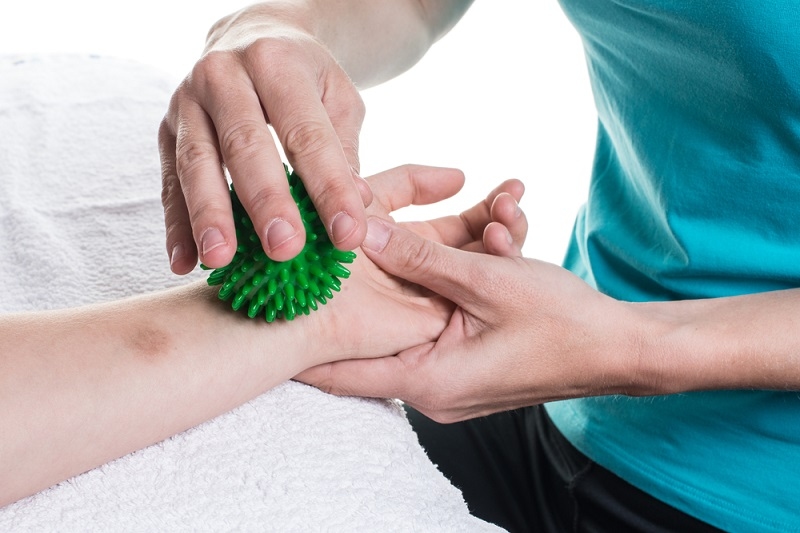
Occupational Therapy

Explore rehabilitation focused on daily activities and functionality.

What is Occupational Therapy vs. Physical Therapy?

Key TakeawaysFirst, figure out your main challenge. Is it movement or strength? Maybe balance-or just getting through your everyday routine on your own. Know the difference between PT (physical therapy) and OT (occupational therapy) before you decide on anything. If your main problem is pain, mobility, or getting your body moving again, physical therapy's your go-to. If you're struggling with self-care, work, or daily tasks, occupational therapy's the better fit. However, don't just assume; get talking to your doctor or a professional in the area to help you work out the best choice for you.People ask about occupational therapy vs. physical therapy all the time, especially after an injury, surgery, or stroke or when dealing with ongoing health issues. Both types help you regain independence and a better quality of life, but they look at recovery from different angles.Here's something interesting: careers in both physical and occupational therapy are taking off, according to the U.S. Bureau of Labor Statistics. That growth is thanks to our aging population, more sports injuries, rising neurological problems, and a bigger need for long-term rehab.If you've ever wondered, "Should I pick PT or OT?"-you're definitely not alone. In this article, you'll see how PT and OT are different, what each treatment involves, and how you can take advantage of both depending on your needs.What is Physical Therapy? Physical therapy can be defined as the act of taking care of your physical well-being that helps to improve your motion, power, flexibility, and ability to coordinate, build your power, etc.  Physical therapists work with people after injuries, surgeries, or conditions that affect how you get around.What Does a Physical Therapist Do?A physical therapist watches how you move, pinpoints what's holding you back, and creates a plan to cut your pain and get you moving better. Their main goal? Make your body work for you-not against you. Physical Therapy can heal you faster if practiced constantly under supervision.Here's what they often useExercisesStretching routinesStrength trainingBalance and walking drillsHands-on therapyJoint mobilizationRehab after surgeryLet's say you had a knee replacement or a bad sports injury. Typically, the first stop is physical therapy to help you regain strength and the ability to move before hopping back into your usual routine.What is Occupational Therapy?Occupational therapy is about your daily life-helping you do things like dress yourself, shower, cook, write, work, drive, or enjoy hobbies. They call these "occupations," and it doesn't just mean your job.What Does an Occupational Therapist Do?These therapists figure out how problems with your body, mind, or senses are making everyday activities harder. Next, they look at ways to help you become more independent. These include the use ofFine motor trainingHand and arm therapyAdapted tools and equipmentCognitive training and memory aid strategiesSensory integration activitiesRecommendations for modifications to the home or work environmentPractice on a range of daily activitiesPerhaps you've had a stroke and are finding you struggle with the simple act of buttoning your shirt or cooking a meal. Occupational therapy can get you back on track by helping you practice the steps and regain control over routine tasks.What is the Difference Between Physical Therapy and Occupational Therapy?The easiest and simplest way to distinguish between Occupational Therapy vs. Physical Therapy is this: Physical Therapy concentrates on how you move. Occupational Therapy concentrates on how you complete tasks to get your job done throughout your day. Here is a breakdown that helps differentiate PT vs. OTPhysical TherapyGoal-Rebuild movement, balance, and mobility. Focuses on joints, muscles, and movement. Treatments: Post-surgical patients, sports injuries, and patients with poor movement and balance. Uses: Exercises for mobility. Occupational TherapyGoal - Restore function for daily living tasks and promote independence.Focuses on -- fine motor function, handwriting, work activities and home activities.Treats: Stroke victims, Arthritis, Hand/Developmental injuries. Uses -- Task-oriented practice and adaptive aids and techniques.Physical Therapy vs Occupational Therapy for InjuriesChoosing between PT and OT depends on what's toughest for you right now.Go with physical therapy ifWalking or standing is hardMovement causes painYou need to get strength back after surgery.Your balance is offYou're bouncing back from a sports or orthopedic injuryGo with occupational therapy if- Dressing, bathing, or cooking feels overwhelming- Trouble using hands or arms gets in the way- You need special devices or changes at home for independence- Cognitive or sensory problems are scrambling your day- You're trying to get back to work or school but need specific trainingIn lots of cases, people use both types-especially after big injuries or neurological problems. They work together for a more complete recovery.Physical Therapy BenefitsPhysical therapy isn't just for healing injuries. It can help keep you moving long-term and even cut down on pain meds. Physical Therapy can help with the followingLess pain and stiffnessStronger muscles and better enduranceImproved balance and preventing fallsFaster recovery from surgeryGreater flexibility and range of motionBetter athletic abilityLess reliance on pain drugsIt can be taken as a supplement or as a course of physical therapy treatment and works when pain management is required for arthritis, back pain, or anyone who finds moving is becoming increasingly difficult.Occupational Therapy BenefitsOccupational therapy is all about making life easier and more manageable. Here's what you get from occupational therapy treatmentDo more daily activities soloBetter hand control and coordinationBrain boosts for organization and memorySafer home and work environmentGet back to hobbies and social lifeTake some pressure off your family caregiversFor anyone whose challenges go beyond movement-like handling day-to-day tasks-OT really makes a difference.When To See a Physical Therapist vs Occupational TherapistKnowing who to see helps you get the right help faster.Consult your Physical Therapist forPain in the back or neckJoint injuryWeaknessTrouble walkingSports injuriesRange of motion after surgeryConsult an Occupational Therapist forDifficulties with dressing or bathingInjury affecting hand or wrist for basic tasksFunctional limitations post-strokeSensory or developmental deficitsDifficulties at home or work with tasks following cognitive changesIt can be hard to decide; ask your doctor or rehab team if you are unsure. They'll steer you toward the right therapy for your goals.What are the PT and OT Differences in Real Life?Let's say you injure your shoulder. The physical therapist focuses on movement-reducing pain, restoring your arm's range, and building muscle strength. The occupational therapist steps in when you're trying to cook, type, drive, or dress yourself without hurting. Both therapists are important-usually, you'll need help from both sides to really get back on track.ConclusionUnderstanding the differences between occupational therapy and physical therapy helps you pick the right type of care. PT gets your body moving again; OT gets you doing the things you need and want to do, day in and day out.We've gone over the nitty-gritty-who does what, when to see which specialist, and how both therapies work together. It really comes down to this: Are you struggling to move your body or to use your body in daily life? Knowing where your main challenges lie helps you heal faster and get your independence back sooner.Don't guess about rehab. Reach out to a professional who can figure out what you need and point you toward the best therapy-or both. There are tons of resources and info at Injection.com to help you understand your options and make choices that support your recovery.Ready for the next step? Talk to a rehab specialist who'll look at your symptoms, your goals, and your daily challenges-and put together a plan to get your independence back.FAQsCan Physical Therapy and Occupational Therapy Happen at the Same Time?Yes. Many people do both-PT works on your strength and movement, while OT helps you use those skills in daily life. It's often more effective to combine them.Is Occupational Therapy Just for Kids?Not at all. Adults and seniors use OT, too. Whether it's for stroke recovery, arthritis, hand injuries, neurological problems, or coping with everyday life as you age, OT is valuable at any age.Does Insurance Cover PT and OT?Many plans do, including Medicare and workers' comp, when it's medically necessary. Policies can set limits or require referrals, so always double-check with your provider and talk to your care team about what's covered.How Long Does Rehab Usually Last?There's no set timeline. Some people bounce back in a few weeks; others need months. Your progress depends on your condition, how severe it is, your health, and your goals. Sticking to your home and therapy exercises pays off in faster, better results.Which Therapy is Better After a Stroke?There's no one-size-fits-all answer. Physical therapy helps you walk, balance, and build strength, while occupational therapy helps you regain daily independence and hand skills. Most stroke recovery plans use both PT and OT for the best possible outcome.

What is Occupational Therapy for Seniors and Why is it Important?

Key Takeaways Geriatric occupational therapy allows them to maintain their independence and continue their day-to-day lives. The occupational therapy for seniors includes everything from dressing and cooking to bathing and getting up and down stairs. Therapy centers on reducing the risk of falls, home safety, and personal care planning.Getting started early sets seniors up for better health and a higher quality of life down the road.Occupational therapy for seniors is about much more than just helping someone recover from an illness or injury. It's about finding ways to help older adults live safely and confidently, so they can keep doing the things that matter to them. As we age, routine tasks we didn't think twice about, like tying our shoes, making breakfast, and taking a shower, can suddenly feel challenging. These changes don't just affect physical health; they also hit our sense of independence and well-being.The numbers tell the story: About one in four adults over 65 falls each year, according to the CDC. Falls are a major threat to seniors' safety, but occupational therapy can lower that risk by teaching new skills, making home adjustments, and finding ways to make daily life easier. It's not just about "going back to normal"; it's about helping people hold on to their independence and enjoy life as much as possible.In this article, you'll learn what occupational therapy actually is, how it's different from physical therapy, which conditions it helps with, occupational therapy benefits, and why looking into it early really matters.What is Occupational Therapy for Seniors?Occupational therapy for the elderly is a very physical health service. This health service is all about ensuring older adults remain independent and secure in their day-to-day activities. Instead of just treating a diagnosis, occupational therapists consider how health problems affect everyday activities, then work with the person to develop a plan that works for them.They'll check physical ability, memory and thinking skills, the home's setup, and what each person wants to achieve. Then they set up a roadmap to make tasks like dressing, grooming, bathing, preparing meals, managing medicine, and moving around the house easier.Occupational therapists also help seniors return to hobbies, handle household chores, and keep up with social activities-really, anything that adds meaning to their day.Occupational Therapy vs. Physical TherapyPeople often lump occupational therapy and physical therapy together, but they're not the same thing. It's focused on strength building, pain relief, and overall body motion. Occupational therapy for seniors, on the other hand, focuses on how well someone can do the things they care about, even if they face new physical or mental challenges.A physical therapist might help strengthen someone's knee after surgery. An occupational therapist will step in to teach them how to climb stairs again, cook a meal safely, or get dressed on their own. Working together, both therapies can help seniors recover faster and feel more confident in daily life.Benefits of Occupational Therapy for SeniorsOccupational therapy helps seniors in many ways, and the occupational therapy benefits go far beyond just bouncing back from an injury.Promoting IndependenceStaying independent is huge. Occupational therapists provide step-by-step strategies and creative adaptations, empowering older adults to accomplish daily tasks more independently and with greater self-assurance. Lowering the Risk of Falls A common fear of aging, falling, can be combatted with the help of occupational therapists who perform a home evaluation and identify hazards like rugs or slippery floors and offer solutions such as grab bars and improved lighting. Increasing Cognitive Abilities Common struggles for older adults include memory, concentration, and problem-solving. Occupational therapists often use simple exercises, memory aids, and set routines to keep the mind sharp, especially for those dealing with dementia or Alzheimer's.Boosting Emotional Well-BeingLosing the ability to perform daily tasks can be emotionally difficult. Occupational therapy encourages people to stay connected with hobbies and friends, which keeps spirits up and helps fight off feelings of isolation.Try This: Early Signs Of Rheumatoid Arthritis People IgnoreConditions Occupational Therapy Helps ManageOccupational therapy for seniors can actually help with a long list of conditions, including:ArthritisStroke recoveryParkinson's diseaseDementia and Alzheimer'sHealing after joint replacementsChronic painVision or hearing lossTrouble with balance or mobilityThe plan is always tailored to the individual's needs and routines-so progress is real and noticeable.When Should Seniors Consider Occupational Therapy?A lot of folks think you only need occupational therapy after surgery or a hospital stay, but starting sooner usually pays off. If an older adult is having trouble with the following: Daily activitiesFalling more oftenRecovering from illnessStruggling with memoryGetting less active due to painJust finding independent living tougherIt's time to talk to a healthcare provider about occupational therapy. Acting early can stop small issues from becoming big problems and improve life in the long run.ConclusionOccupational therapy is about helping seniors keep doing the things that matter. From mobility and clear thinking to maintaining independence, occupational therapy is involved in the vast majority of things seniors do every day. Instead of simply administering treatment, it can offer seniors the means to remain in control. Personalized therapies can make a profound difference for seniors in rehabilitation, dealing with chronic diseases, or simply continuing the process of aging at home safely.If you're thinking about occupational therapy for the elderly, yourself, or a loved one, take the time to compare providers, ask your questions, and find care that truly supports independence and quality of life, as there are numerous benefits of occupational therapy for seniors. For this, you can check out drgptmd.com for assistance with health and wellness. FAQs Can Occupational Therapy Be Provided at Home?Yes. It's actually pretty common, especially for seniors who have a hard time getting out. When therapists visit at home, they can spot real-life barriers and suggest changes and solutions that fit the exact living situation. This hands-on style leads to better results because the advice fits the person's actual day-to-day life.Does Medicare Cover Occupational Therapy for Seniors?Medicare often covers occupational therapy if a healthcare provider says it's needed. What's covered depends on the setting, the provider's qualifications, and a person's specific plan. Seniors should check their benefits or call their insurance to see what's included and what might still cost extra.How Long Does Occupational Therapy Usually Last?Depends on the person and what they're aiming for. For some folks, a handful of weeks is all they require, but others living with chronic health conditions could benefit from a weekly, ongoing therapy program. Therapists will monitor the therapy and tweak the strategy as required so it continues to make sense for you.

Regain Independence with Occupational Therapy at Home and Simple Daily Exercises

Can't button your shirt anymore? Struggling with stairs? After an injury, surgery, or illness, even simple tasks become really hard. You're not alone. Millions of Americans face the same challenges every day. Here's the thing: occupational therapy at home brings professional help directly to you without the hassle of driving to a clinic. Home occupational therapy exercises work so much better because you practice the actual things you struggle with in the spaces you actually use every day. Instead of doing generic movements in a sterile clinic, you're learning real skills in your real environment. This is where genuine recovery happens. Your therapist watches how you navigate your actual kitchen, bathroom, and stairs. They see your real challenges, not imaginary ones. That's what makes occupational therapy at home so powerful and effective for regaining independence.Why Does Occupational Therapy at Home Actually Work?Think about this. Your therapist walks into your kitchen and sees your layout. They watch you move around your bathroom. They see your stairs, your carpet, your furniture arrangement. They're not guessing. They're watching you in the real world.Skip the drive. Skip the waiting. Skip the weird equipment nobody actually uses. When you're doing occupational therapy at home, you're working with your own stuff in your own space. That commute time? You get to use it for therapy instead. And the biggest part? Your brain learns these movements in the places where you'll actually need them. That's how things stick.The Three Main Areas You'll Work onRecovery focuses on three key areas, and mastering each one brings you closer to independence.First: Hand and Finger StrengthYour hands do everything. Buttons, forks, jars, typing. When you lose hand strength, suddenly everything's harder.Home occupational therapy exercises for your hands feel natural: Squeeze some putty or a stress ball. Pick up small stuff with tweezers. Play some cards. Do a puzzle. Button up your actual clothes. Cook your actual meals using your real utensils.Here's what makes this click: you're using the exact same items you use in life. When you button your actual sweater or twist open your real kitchen jars, you see it working. That's motivating. That's how habits become real. These home occupational therapy exercises are specifically designed to help you regain those fine motor skills that make everyday life easier and more independent.Second: Big Body MovementsStanding. Walking. Climbing. Reaching. Balance. For most Americans, especially home therapy for seniors, this is huge because falls hurt badly.OT exercises for adults look like this in real life: Stand up from your kitchen chair. Do it again. Now try your couch; it's way softer. Go up and down your stairs holding the railing. Walk around your house with stuff in the way. Open cabinets at eye level, then higher, then lower. Vacuum. Clean windows. All of this builds actual strength you'll use.Your therapist in your home spots danger fast. That throw rug? Tripping hazard. Your dark hallway? Safety problem. The worn spot on your stairs? They catch it. They work with your actual home, not some textbook version. These OT exercises for adults are tailored to your specific living conditions and mobility needs.Third: Thinking and Problem-SolvingSome folks have memory issues or trouble thinking clearly after a stroke or head injury. Real independence means more than just moving. You need to think things through and handle problems.ADL therapy at home in this area sounds like organizing your stuff so you can find it. Label your drawers. Put reminders where you'll see them. Break big tasks into small pieces. Use timers and calendars. Make routines that fit your real life. ADL therapy at home helps you develop strategies that support your cognitive abilities and daily functioning.Dive in deeper: Empowering Abilities: Occupational Therapy RedefinedExercises You Can Actually do Right NowFind some of your own shirts. Practice buttoning. Start with the big buttons, then work down to the tiny ones. Sit in your favorite chair and stand up. Do it five times. Then try your couch. It's harder. Do this a couple of times a week.Do your regular chores. Fold clothes. Organize a drawer. Make breakfast. These aren't wasting time; they're powerful home occupational therapy exercises building real strength and confidence. Walk through your house in different ways. Shower yourself. Get dressed. These things seem boring because they are boring. But that's exactly why they work.Work on reaching and balance. Put stuff at different heights and practice grabbing it safely. Walk while holding something light. The trick? Do the exact movements you need in your exact life. Over and over. Home occupational therapy exercises become most effective when you practice them consistently in your actual environment.Making Your Home Work for YouAsk your therapist about grab bars for your bathroom. Good lighting in hallways and on stairs matters. Get rid of loose rugs. Move furniture around so you have clear paths. Keep the things you use every day within reach so you don't have to stretch too far or bend too low. These modifications support all the work you're doing with your home therapy for seniors or personal occupational therapy program.Watching Your ProgressYou won't see everything changing overnight. But if you pay attention, you'll notice it.You make it up the stairs without stopping halfway to catch your breath. Buttons don't take forever anymore. Cooking doesn't hurt your hands. These wins matter. They're real proof you're getting better.Real progress in occupational therapy activities for daily living means you're doing stuff on your own that you needed help with before. Getting dressed all by yourself. Cooking a real meal with nobody helping. Walking through your house at night safely. That's what independence actually looks like. Monitoring the progress of the enhancements in occupational therapy activities of daily living keeps you motivated as you travel along your path to recovery.Explore More: Implementing The Right Exercise For Neck Pains ManagementConclusion: Taking Your First StepHere's the bottom line: occupational therapy at home succeeds because it provides practical benefits that enhance convenience and deliver personalized treatment solutions. Your therapist identifies your actual difficulties and provides you with the required skills practice sessions, which you can do in your home environment.If you're noticing that daily tasks feel harder or riskier than they used to be, talk to your doctor about getting a referral to an occupational therapist. They can evaluate what you need and create a plan that actually fits your life. Independence doesn't come from doing one amazing workout; it comes from consistent practice in real settings. Through ADL therapy at home, you'll develop independence in the activities that matter most to you. Start small, do your exercises regularly, and celebrate the progress you make. Your independence is worth the effort.FAQsHow long before I see results from occupational therapy at home?You'll notice small changes in just a few weeks if you're doing your exercises regularly. The bigger, real progress usually takes several weeks to a couple of months. It all depends on what you're dealing with and how much you practice. Sit down with your therapist and set goals that actually make sense for your situation. Some people get their confidence back before they get their strength back, and that's still huge progress. Just keep going.Will occupational therapy at home work if I have limited mobility?Absolutely, especially for seniors. A good therapist meets you where you really are right now. They'll change home therapy for seniors' exercises to match what your body can actually do. They spot safety problems in your actual house and fix them immediately so you won't fall. Start gently. Build slowly. You stay safe while your strength comes back and your independence grows through real practice with professional help.What equipment do I need for home occupational therapy?Honestly, you've got everything. The best OT exercises for adults use what you already have at home: your stairs, your kitchen stuff, your clothes, your furniture. Your therapist might bring therapy putty or suggest grab bars, but you don't need special equipment to get rolling. Just practice real movements with real things from your everyday routine and regular home life.

Empowering Abilities: Occupational Therapy Redefined

In a world where limitations can often overshadow abilities, occupational therapy emerges as a beacon of hope. It is a profession that aims to empower individuals with physical, cognitive, or emotional challenges by focusing on their strengths and helping them achieve independence and fulfillment in their daily lives. Through a holistic and individualized approach, occupational therapy opens doors to new possibilities, enabling individuals to reach their full potential and redefine what they thought was possible.Understanding Occupational TherapyOccupational therapy is a healthcare profession that assists individuals of all ages in developing, improving, or restoring the skills needed for everyday activities, also known as occupations. These activities encompass various areas of life, including self-care, work, education, and leisure. Occupational therapists, with their specialized knowledge and expertise, work closely with individuals to identify their goals and design customized interventions that promote independence, well-being, and overall quality of life. Here are 6 defining characteristics of Occupational Therapy. 1. Redefining AbilitiesOne of the core principles of occupational therapy is focusing on abilities rather than disabilities. This shift in perspective allows individuals to recognize their potential and work towards maximizing their strengths. Occupational therapists are skilled at identifying the unique talents, interests, and aspirations of their clients, and they leverage these strengths to develop personalized treatment plans. By building on what individuals can do, rather than what they can't, occupational therapy empowers them to overcome obstacles and achieve meaningful outcomes. 2. Promoting Independence Occupational therapy equips individuals with the necessary tools and strategies to regain or enhance their independence. For those with physical disabilities, therapists may recommend assistive devices, provide mobility training, or suggest modifications to the environment to facilitate accessibility. Cognitive challenges can be addressed through specialized techniques and exercises that enhance memory, problem-solving skills, and attention. Occupational therapists also help individuals manage emotional well-being, providing coping strategies and emotional support to navigate through challenging situations. 3. Enhancing Daily Life The impact of occupational therapy extends far beyond clinical settings. Through interventions that focus on daily life activities, occupational therapists empower individuals to participate fully in their communities and engage in meaningful occupations. Whether it's teaching children with autism spectrum disorder essential social skills, helping stroke survivors regain their ability to perform daily routines, or assisting older adults in maintaining their independence, occupational therapy redefines what's possible in every stage of life. 4. Holistic Approach Occupational therapy recognizes that each individual is unique, with their own set of challenges, strengths, and goals. Therefore, it takes a holistic approach that considers the physical, cognitive, emotional, and environmental factors influencing an individual's ability to function independently. By understanding the interplay between these elements, occupational therapists are able to create comprehensive interventions that address the whole person, promoting optimal outcomes and well-rounded development. 5. Collaboration and Empowerment Occupational therapy is a collaborative process that involves a close partnership between the therapist, the individual, and their support network. By actively involving individuals in their own care, occupational therapy promotes self-advocacy and empowers them to take ownership of their abilities and progress. Through ongoing assessment, goal-setting, and regular communication, occupational therapists ensure that interventions are tailored to meet evolving needs and foster continuous growth. 6. Breaking Barriers Occupational therapy goes beyond the traditional boundaries of healthcare, breaking societal barriers and advocating for inclusivity and accessibility. Occupational therapists strive to create environments that accommodate the unique needs of individuals with disabilities, promoting equal opportunities and participation in all aspects of life. By challenging stereotypes and promoting understanding, occupational therapy paves the way for a more inclusive society that values and celebrates diversity. Types of Occupational TherapyOccupational therapy encompasses a wide range of specialized interventions tailored to meet the unique needs of individuals. Here are some of the key types of occupational therapy  Pediatric Occupational Therapy   Pediatric occupational therapy focuses on children and adolescents, addressing developmental delays, sensory processing disorders, learning disabilities, and behavioral challenges. Therapists work with young individuals to enhance their motor skills, cognitive abilities, social interaction, self-regulation, and independence in daily activities. Geriatric Occupational Therapy Geriatric occupational therapy aims to improve the quality of life for older adults by addressing age-related challenges, such as reduced mobility, cognitive decline, and chronic conditions. Therapists assist with activities of daily living (ADLs), fall prevention, home modifications, memory training, and support for caregivers to promote aging in place and maximize independence. Mental Health Occupational Therapy Mental health occupational therapy focuses on supporting individuals with mental health conditions, such as anxiety disorders, depression, schizophrenia, and addiction. Therapists help clients develop coping strategies, manage stress, improve social skills, enhance self-esteem, and engage in meaningful occupations to promote emotional well-being and recovery. Rehabilitation Occupational Therapy Rehabilitation occupational therapy is often provided in a hospital or clinical setting to individuals recovering from injuries, surgeries, or debilitating illnesses. Therapists work with patients to regain strength, mobility, and functional independence. They may provide exercises, teach adaptive techniques, recommend assistive devices, and offer guidance on returning to work or leisure activities. Hand Therapy   Hand therapy specializes in the rehabilitation of conditions affecting the hands and upper extremities, including fractures, sprains, nerve injuries, and repetitive strain injuries. Hand therapists utilize exercises, splinting, manual therapy, and adaptive techniques to restore hand function, and dexterity, and reduce pain. Vocational Rehabilitation Vocational rehabilitation focuses on assisting individuals with disabilities in achieving meaningful employment and maintaining productivity in the workplace. Occupational therapists assess job skills, provide job coaching, recommend workplace modifications, and support individuals in overcoming barriers to employment. Community-Based Occupational Therapy Community-based occupational therapy takes therapy beyond clinical settings and into individuals' homes, schools, or community environments. Therapists work with clients in their natural environments to address challenges specific to their daily routines, social participation, and community integration. This type of therapy promotes functional independence and inclusion. Assistive Technology Assistive technology occupational therapy involves the evaluation and recommendation of specialized devices, equipment, and technologies that enhance individuals' functional abilities. Occupational therapists help individuals access assistive technology to overcome barriers and achieve independence in activities such as communication, mobility, and environmental control.It is important to note that these types of occupational therapy often intersect and overlap, and therapists may employ a combination of approaches based on an individual's unique needs and goals. By utilizing these specialized interventions, occupational therapy continues to redefine what's possible for individuals of all ages and abilities. ConclusionOccupational therapy is a transformative profession that redefines what's possible for individuals with physical, cognitive, and emotional challenges. By focusing on abilities, promoting independence, and embracing a holistic approach, occupational therapy empowers individuals to overcome limitations and achieve their goals. Through collaboration, advocacy, and breaking barriers, occupational therapists inspire individuals to believe in their potential and discover new horizons. As we continue to recognize and appreciate the power of occupational therapy, we pave the way for a more inclusive and empowering future for all.

© 2026 Copyrights - All Rights Reserved