What is Hashimoto's Disease, and How Can it be Treated?

Key Points
- An autoimmune response causes the immune system to attack healthy thyroid tissue, gradually lowering hormone production.
- National Institutes of Health clinical data show this autoimmune thyroid condition affects roughly five in one hundred Americans, predominantly women.
- Persistent fatigue, unexplained weight gain, dry skin, and cold sensitivity often signal early thyroid hormone decline.
- Blood tests measuring thyroid-stimulating hormone and thyroid peroxidase antibodies confirm an accurate medical diagnosis.
- Daily hormone replacement medication paired with nutrient-rich anti-inflammatory eating restores steady energy and metabolic balance.
Waking up exhausted after nine hours of sleep while watching your weight creep upward despite healthy habits can feel deeply isolating. Living with Hashimoto's Disease often leaves people searching for answers long before receiving a clear medical explanation. According to endocrinology data from the National Institutes of Health and the American Thyroid Association, this autoimmune disorder affects roughly 5% of the U.S. population and is the leading cause of underactive thyroid function in North America.
Understanding what happens inside your body turns frustrating symptoms into a manageable health plan. Recognizing subtle hormonal shifts early empowers you to advocate for thorough lab testing. It helps you reclaim steady energy, mental clarity, and metabolic comfort.
In this medically grounded health guide, we define what is Hashimoto's disease, explain what causes Hashimoto's disease and the connection between Hashimoto's disease and hypothyroidism, break down early signs of Hashimoto's disease and Hashimoto's thyroiditis symptoms, outline the stages of Hashimoto's disease and Hashimoto's disease diagnosis, and share proven Hashimoto's disease treatment options alongside practical tips on how to manage Hashimoto's disease and build a supportive Hashimoto's disease diet.
What is Hashimoto's Disease?
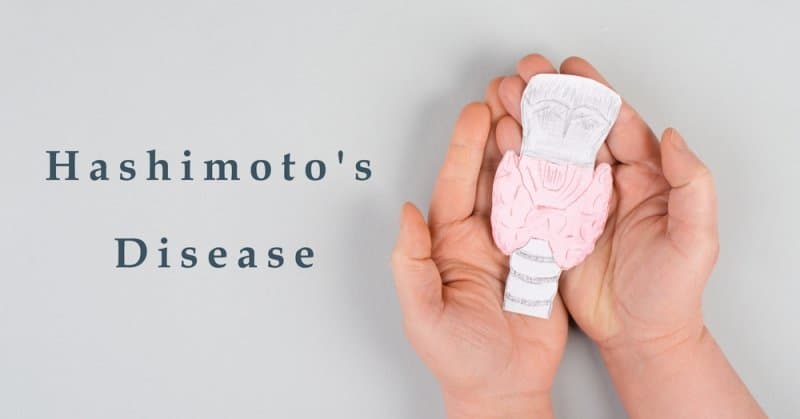
Hashimoto's disease, clinically known as chronic lymphocytic thyroiditis, is an autoimmune disorder in which the body's immune system mistakenly produces antibodies that attack the thyroid gland.
Located at the front base of your neck, the butterfly-shaped thyroid gland produces essential hormones that regulate metabolism, heart rate, digestion, and body temperature. Over time, chronic immune inflammation damages hormone-producing follicles, steadily reducing thyroid hormone output and leading to an underactive thyroid.
What Causes Hashimoto's Disease and Hypothyroidism?
Understanding what causes Hashimoto's disease begins with recognizing how genetic susceptibility and environmental triggers combine to disrupt normal thyroid gland performance.
With Hashimoto's disease and hypothyroidism, white blood cells and specialized antibodies infiltrate thyroid tissue and gradually impair hormone synthesis. Family history of autoimmune conditions, viral infections, chronic physical or emotional stress, hormonal shifts after pregnancy, and excessive iodine exposure often act together to spark this autoimmune response, particularly in women between ages thirty and fifty.
Try This: What is an Overactive Immune System and How Do You Calm It?
Early Signs of Hashimoto's Disease and Hashimoto's Thyroiditis Symptoms
Breaking down early signs of Hashimoto's disease separately from established Hashimoto's thyroiditis symptoms helps you spot subtle changes before hormone levels drop sharply.
Early Signs of Hashimoto's Disease
- Unexplained Afternoon Fatigue: Feeling unusually drained or needing naps despite getting a full seven to eight hours of uninterrupted sleep.
- Subtle Cold Intolerance: Noticing chilly hands and feet or reaching for extra sweaters in comfortable room temperatures.
- Mild Mood Shifts and Sluggish Focus: Experiencing low motivation, forgetfulness, or mild irritability before blood tests show major hormone drops.
- Painless Neck Fullness: Observing slight enlargement at the base of your neck, known as a goiter, as immune cells gather inside the gland.
Established Hashimoto's Thyroiditis Symptoms
- Steady Weight Gain and Fluid Puffiness: Gaining weight easily alongside noticeable puffiness around the eyes, face, and hands despite unchanged eating habits.
- Dry Skin, Brittle Nails, and Hair Shedding: Developing rough, flaky skin, fragile nails that split easily, and thinning hair along the scalp and outer eyebrows.
- Chronic Constipation and Muscle Aches: Experiencing slower digestive motility alongside joint stiffness, muscle cramps, and generalized body tenderness.
- Heavy or Irregular Menstrual Cycles: Noticing heavier menstrual bleeding, shortened cycles, or fertility challenges linked to low circulating thyroid hormones.
Stages of Hashimoto's Disease Progression
Mapping the clinical stages of Hashimoto's disease clarifies why some patients show positive antibodies years before experiencing abnormal hormone levels.
| Clinical Stage | Immune and Hormone Activity | Common Physical Experience | Typical Medical Approach |
| Stage 1: Genetic Risk | Inherited susceptibility without active antibodies | Zero noticeable thyroid symptoms | Routine wellness monitoring |
| Stage 2: Immune Infiltration | Elevated thyroid antibodies with normal hormone levels | Mild fatigue or occasional mood shifts | Antibody tracking and nutrient support |
| Stage 3: Subclinical Hypothyroidism | Slightly elevated TSH with normal free T4 levels | Early cold sensitivity, dry skin, or sluggishness | Close lab monitoring or low-dose therapy |
| Stage 4: Overt Hypothyroidism | High TSH paired with low circulating thyroid hormones | Pronounced fatigue, weight gain, and brain fog | Daily thyroid hormone replacement |
Hashimoto's Disease Diagnosis and Treatment Options
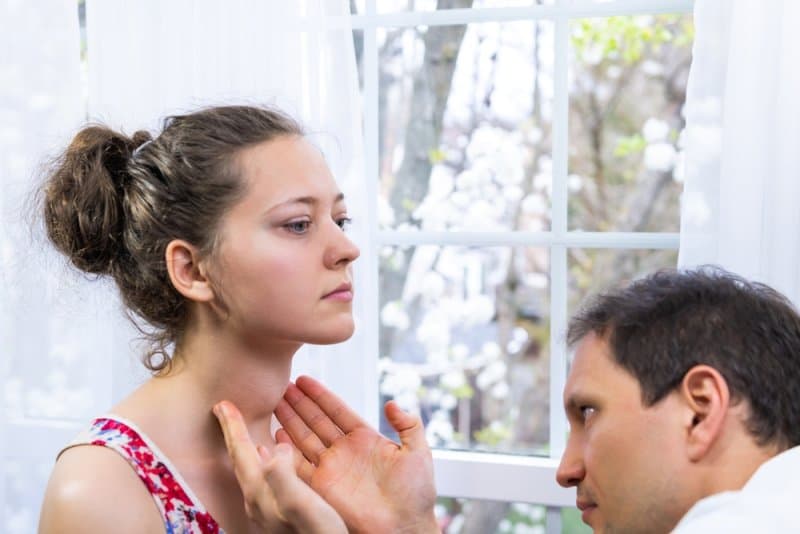
Navigating Hashimoto's disease diagnosis and modern Hashimoto's disease treatment relies on precise blood panels and personalized hormone replacement.
Confirming a Clinical Diagnosis
Doctors evaluate thyroid health using three primary blood tests; here are the following:
- A Thyroid Stimulating Hormone (TSH) test detects whether your pituitary gland is working overtime to stimulate a sluggish thyroid
- A Free T4 test measures active circulating hormone
- A Thyroid Peroxidase (TPO) antibody test confirms autoimmune involvement
Standard Hormone Replacement Therapy
Once hormone levels fall below optimal ranges, endocrinologists typically prescribe daily oral levothyroxine, a synthetic hormone identical to natural thyroxine. Taking this medication on an empty stomach every morning restores balanced metabolism, stabilizes heart rhythm, and relieves fatigue within several weeks.
How to Manage Hashimoto's Disease With a Supportive Diet?
Learning how to manage Hashimoto's disease alongside a balanced Hashimoto's disease diet helps calm systemic inflammation while supporting medication absorption.
- Prioritize Selenium- and Zinc-Rich Foods: Brazil nuts, wild salmon, pumpkin seeds, and eggs supply essential trace minerals that help convert inactive thyroid hormone into its active form.
- Focus on Whole Anti-Inflammatory Meals: Fill half your plate with colorful leafy greens, berries, olive oil, and lean proteins to soothe immune system reactivity.
- Time Your Medication Away From Supplements: Wait at least four hours between taking morning thyroid medication and consuming calcium, iron, or high-fiber coffee drinks that block absorption.
- Protect Restorative Sleep and Stress Recovery: Gentle walking, yoga, and consistent seven- to eight-hour sleep schedules keep cortisol levels from aggravating autoimmune flares.
Conclusion
Living well with an autoimmune thyroid condition starts with accurate lab testing, consistent hormone care, and compassionate daily habits. Throughout this patient guide, we defined what this autoimmune thyroid condition is, explored how antibodies gradually slow hormone production, and separated subtle early warning signs from established physical symptoms. We also mapped the four clinical stages of progression, reviewed key diagnostic blood tests, and shared practical nutrition habits that calm inflammation and protect medication absorption.
Listening to persistent body signals and partnering closely with an endocrinologist empowers you to feel energetic and clear-headed again. Small, steady adjustments in nutrition, sleep, and lab tracking create lasting wellness.
To explore medically reviewed health insights, discover practical chronic condition guides, and take charge of your daily well-being today, visit our trusted health resource platform for reliable guidance tailored to your journey.
Frequently Asked Questions
Can you prevent hashimoto's disease if it runs in your family?
While you cannot change inherited genetic susceptibility, maintaining healthy vitamin D and selenium levels, avoiding excess iodine supplements, managing chronic stress, and refraining from smoking may help reduce environmental triggers. Regular preventive thyroid blood screenings also allow doctors to catch subtle antibody shifts early before severe symptoms develop.
Does a gluten-free diet help everyone with hashimoto's disease?
Not everyone with Hashimoto's disease needs to eliminate gluten, though individuals with coexisting celiac disease or non-celiac gluten sensitivity often experience noticeable reductions in bloating, fatigue, and antibody levels after removing wheat. Consulting your physician for celiac screening before making major dietary eliminations ensures balanced, evidence-based nutrition.
How often should thyroid blood levels be checked during treatment?
When starting or adjusting thyroid hormone medication, physicians typically recheck TSH and Free T4 blood levels every six to eight weeks until your dosage stabilizes. Once your hormone levels remain steady within your target range, routine monitoring usually shifts to once or twice per year unless new symptoms appear.
Can hashimoto's disease affect fertility and pregnancy outcomes?
Yes, untreated hypothyroidism linked to Hashimoto's disease can disrupt ovulation, increase miscarriage risk, and affect early fetal brain development. However, women who maintain well-controlled TSH levels through regular pre-pregnancy and prenatal hormone adjustments routinely experience healthy pregnancies and deliver healthy babies.
Why do some people still feel tired even with normal TSH lab results?
Persistent fatigue despite normal TSH readings can stem from coexisting nutrient deficiencies such as low iron, vitamin B12, or vitamin D, alongside poor sleep quality or suboptimal Free T3 hormone conversion. Sharing ongoing symptoms with your healthcare provider helps uncover secondary causes and fine-tune your wellness plan.
This content was created by AI