Anxiety and Stress Relief Supplements: What Really Works?

Key Takeaways
- Ashwagandha, magnesium, and L-theanine have the strongest research track record for easing everyday stress.
- Vitamin D and B-complex vitamins really only move the needle if you're actually low on them.
- Natural supplements for stress work best as a backup to sleep, movement, and therapy—not a replacement.
- Herbal picks like kava and valerian aren't as harmless as they sound; liver risks are real.
- Never mix supplements to reduce anxiety with prescription meds without checking with a doctor first.
Ever feel wired for no real reason, like your brain just won't switch off? You're not alone, and the supplement aisle knows it. Shelves are stacked with anxiety and stress relief supplements promising calm in a capsule, but honestly, half of them don't live up to the label. This guide sticks to the natural supplements for stress that actually have research behind them—how they work, what a sensible dose looks like, and where you genuinely need to be careful.
What is the Best Vitamin for Stress and Anxiety?
Here's the thing—there's no single best vitamin for stress and anxiety that works the same for everyone. It really comes down to what your body's already short on. Vitamin D, magnesium, and B-complex vitamins keep coming up in research tied to mood and nervous system function. If you're deficient in one of these, that gap alone can make you feel more irritable, tired, and on edge, so it's worth getting bloodwork done before you start popping pills.
Best Supplements for Stress: A Quick Comparison Table
It helps to see things side by side instead of scrolling through ten different articles. The best supplements for stress don't all work the same way—some kick in within the hour, others take a month of sticking with it. Here's a quick cheat sheet with dosing, how long you'll likely wait, and what to watch out for.
| Supplement | Typical Dose | How Fast It May Work | Key Safety Note |
| Ashwagandha | 300–600 mg daily | 4–8 weeks | Don't use continuously for the past 3 months |
| Magnesium (glycinate) | 200–400 mg daily | 1–3 weeks | Higher doses can upset your stomach |
| L-theanine | 100–200 mg daily | 30–60 minutes | Pretty well tolerated overall |
| Omega-3 (EPA/DHA) | 1–2 g daily | 6–12 weeks | Can thin blood; caution on blood thinners |
| Vitamin D3 | 1,000–2,000 IU daily | Weeks to months | Get levels tested before going high-dose |
| Chamomile | 220–400 mg extract | 2–4 weeks | Skip it if ragweed or daisies bother you |
Natural Supplements for Stress You Can Try Today
A handful of natural supplements for stress actually have clinical trials backing them, not just glowing reviews on a product page. The five below turn up again and again in nutrition and psychiatric studies. Each one nudges your body differently, so it's less about "which is best" and more about which fits what you're dealing with.
1. Ashwagandha
This is an old Ayurvedic herb, and honestly, it's earned its reputation. Studies keep showing it can lower cortisol and take the edge off self-reported anxiety scores. Most research lands around 300–600 mg of standardized extract per day. Just don't stay on it indefinitely—three months, then a break—is the general rule.
2. Magnesium
A lot of anxious, wired feelings trace back to running low on magnesium. Going with the glycinate form seems to sit more easily on the stomach while still supporting calmer nerves and muscles. It's not an overnight fix—give it a few weeks before deciding if it's doing anything for you.
3. L-Theanine
This is the calming compound in green tea, and it's kind of unique because it relaxes you without making you drowsy. Some people say it just takes the jagged edge off within an hour. It's a solid pick if you know exactly when stress hits—before a meeting, say, or an exam.
4. Omega-3 Fatty Acids
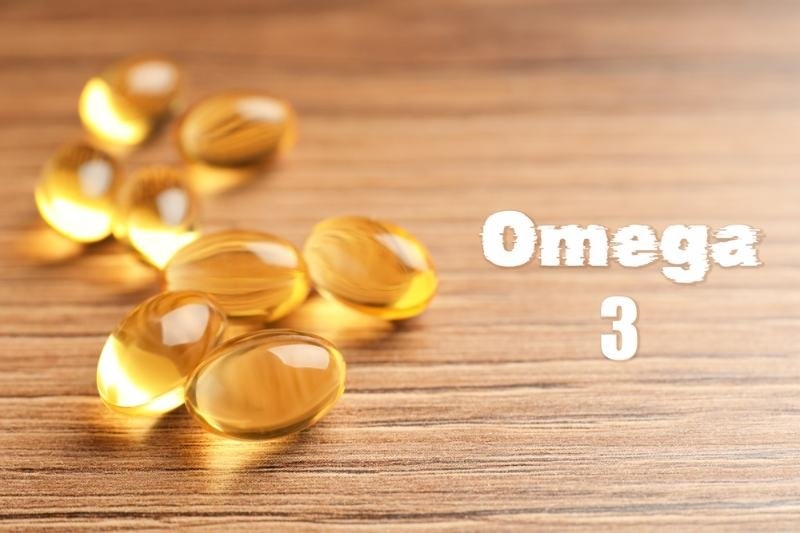
Fish oil isn't just a heart-health thing. EPA and DHA support the actual structure of brain cells and seem to calm inflammation tied to mood problems. This one's a slow burn—think months, not days—so it only works if you actually keep taking it.
5. Chamomile
Don't underestimate the tea aisle. Chamomile has more research behind it for generalized anxiety than most people realize, and it's about as safe as supplements get. Capsule, extract, or a cup before bed—all work, and it's a nice low-stakes place to start.
Curious about a stronger option? This breakdown of 5-HTP walks through dosing, benefits, and where it can get risky if mixed with the wrong medications.
Best Supplements for Relaxation and Better Sleep
Stress keeps you up, and being tired makes you more stressed—it's a loop. That's why the best supplements for relaxation usually double as sleep helpers. Melatonin, valerian, and lavender extract show up most often here, and lavender in particular has solid anxiety data without knocking you out cold.
- Melatonin: fine for the occasional bad night, not something to take nightly forever.
- Valerian root: can help you sleep, though there are rare liver-related concerns worth knowing.
- Lavender oil capsules: studied for generalized anxiety with a genuinely strong safety record.
- Passionflower: a gentler option, often stacked with other calming herbs for extra effect.
Supplements to Reduce Anxiety: What Does the Research Say?
People searching for supplements to reduce anxiety are usually hoping for a natural stand-in for medication. Truth is, the evidence is a mixed bag depending on what you pick. Ashwagandha and L-theanine have the best data behind them. Kava looks promising too, but it comes with a genuine liver-risk warning label.
Anxiety and Stress Relief Supplements: Safety Tips Before You Start
"Natural" doesn't automatically mean risk-free, and that trips people up more than it should. Some anxiety and stress relief supplements interact badly with antidepressants or blood thinners. Brand quality is all over the place too, so skipping the third-party testing step is a gamble you don't need to take.
- Loop your doctor in first, especially if you're already on medication.
- Stick to third-party tested brands, so you know what's actually in the bottle.
- Add one thing at a time—otherwise you won't know what's actually working.
- Give herbal options four to eight weeks before writing them off as useless.
- Remember supplements support your routine; they don't replace real therapy or care.
Want more to choose from? Injection.com's vitamins and supplements section has plenty of other options worth a look.
Conclusion
There's no magic capsule that erases stress overnight, but a few options genuinely earn their hype. Ashwagandha, magnesium, and L-theanine have the most solid research behind them, while others fit more specific needs like sleep or one-off nerves. Start with one, go slow, stay safe, and let sleep and movement do some of the heavy lifting too.
FAQs
Are anxiety and stress relief supplements safe to take daily?
Most, like magnesium and L-theanine, are fine for daily use at normal doses. Ashwagandha's usually meant for shorter stretches, though. Check with a doctor first, especially if you're already on medication or managing another health condition.
How long do natural supplements for stress take to work?
L-theanine can kick in within about an hour, which is fast for a supplement. Ashwagandha and omega-3s are slower burners—plan on four to twelve weeks of steady use before you notice any real, lasting difference.
What is the best vitamin for stress and anxiety if I'm not deficient?
Without a deficiency, magnesium and B-complex vitamins still offer some general support, but don't expect miracles. You'll likely get more out of targeted options like ashwagandha or L-theanine than just piling on extra vitamins.
Can I combine multiple supplements to reduce anxiety at once?
It's smarter to add one at a time so you actually know what's helping. Stacking several raises the odds of a bad interaction, especially with kava, valerian, or 5-HTP. Space things out and ask a doctor first.
Do the best supplements for relaxation work as well as prescription medication?
Not really, no—they're not built to replace treatment for moderate or severe anxiety. They can genuinely take the edge off everyday tension, but they shouldn't stand in for therapy or medication once symptoms start disrupting daily life.
This content was created by AI