Health Products

In-depth resources on the symptoms, management, and treatment of Health Products

How to Choose the Top 4 Protein Supplements in 2026?

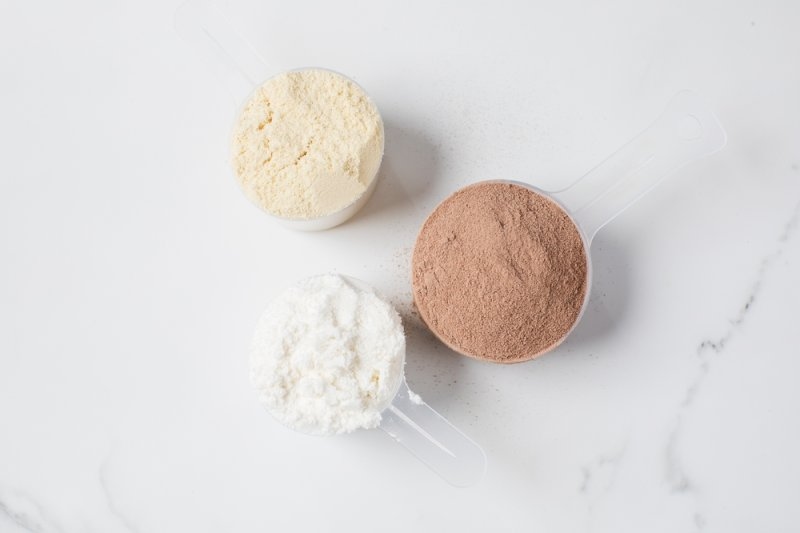
Key TakeawaysBefore you buy a protein supplement, get clear about your main goal. Are you looking to gain muscle, lose weight, replace a meal, or just boost your overall nutrition? Figure that out first. Look for 20-25 grams of protein per serving, and keep an eye on added sugars-they sneak in everywhere. Always check the protein source too. That matters a lot if you're vegetarian or sensitive to dairy. When you're comparing whey and plant-based options, don't just trust marketing. Think about digestibility, taste, and whether the amino acid profile aligns with your needs. And remember: Protein powders are there to fill gaps, not to take over your whole diet. Whole foods still matter most.People are obsessed with protein supplements these days. You see them everywhere-at the gym, in offices, even in kitchen cabinets at home. The sports nutrition industry pulls in billions every year, and protein powders are a huge chunk of that. Why? They make it easy to get enough protein, especially if you're busy or trying to lose weight.If you believe the International Society of Sports Nutrition (ISSN), getting enough protein helps fix and grow your muscles, rebuild after tough workouts, and support your overall fitness goals. But even with all the hype, people still wonder: Are protein supplements actually good for you? When should you take them? And do they make you gain weight?Here's the reality: The right choice depends on what you want and how you live. This guide will show you how to use protein supplements, compare whey with plant-based options, discuss liquid protein supplements, talk about using protein powder for weight loss, best protein powder for beginners, how protein supplements are made, and recommend a few great products for beginners in a way that's easy to follow.What are Protein Supplements?At their core, protein supplements are just concentrated protein, usually in powder form. They can come from milk, peas, soy, rice, eggs, or even collagen. The manufacturing process pulls protein out of the original food, strips away everything else, and dries it out-then adds some flavor or other bits and pieces.Whey protein comes out of milk during cheese-making. Plant proteins get pulled from things like peas and rice, then turned into powder. The point is, it's just a way to pack more protein into a convenient scoop.Plant-Based Protein Powder vs. WheyHere are key differences between the two kinds of protein powder supplements, plant-based protein powder vs. whey, below:Whey ProteinWhey's the gold standard for most people. It's quick for your body to absorb, and it's got all the essential amino acids, especially leucine, which is key for building muscle.Plant-Based ProteinPlant-based blends usually mix pea, rice, hemp, or soy proteins to get the right mix of amino acids. These are perfect for anyone avoiding dairy or going vegetarian or vegan.So, what's better? If muscle-building is your main thing, whey takes a slight edge. But if you're vegetarian, vegan, or have issues with lactose, plant-based options are the way to go.Try This: High-Protein Diet Guide: Daily Intake, Meals & Best FoodsBest Protein Powders for BeginnersHere are the top 4 protein supplements:1. Optimum Nutrition Gold Standard WheyThis one's a classic. People trust it because it mixes easily, tastes good, and quality control is consistent.Serving: 31g Protein: 24g Source: Whey isolate & concentrateFlavors: Chocolate, VanillaGood for: Beginners, everyday fitnessDownside: Contains dairy, some artificial flavorsWhere: Amazon, Walmart, GNC Price: $35-$45 (2 lb)2. Dymatize ISO100If you want something super clean that digests fast, especially after a hard workout, this is a good pick.Serving: 32g Protein: 25g Source: Hydrolyzed whey isolateFlavors: Chocolate, Fruity PebblesGood for: Post-workoutDownside: Costs more than regular wheyWhere: Amazon, Vitamin Shoppe Price: $45-$60 (1.6 lb)3. Orgain Organic Plant ProteinFor vegans or those who want plant-based protein with no junk, this one's dependable.Serving: 46g Protein: 21g Source: Pea, rice, chiaFlavors: Chocolate Fudge, Vanilla BeanGood for: Plant-based, dairy-free dietsDownside: Texture's a little thickWhere: Costco, Amazon, Target Price: $30-$40 (2 lb)4. Premier Protein Ready-to-Drink ShakeNeed protein in a rush? This pre-made shake is perfect for busy mornings or after workouts.Size: 11 fl oz | Protein: 30g | Source: Milk protein concentrateFlavors: Chocolate, Caramel, Cafe LatteGood for: People on the goDownside: Can't customize the mix as you do with powderWhere: Costco, Walmart, Amazon Price: $25-$35 (12-pack)When to Take Protein Supplements?Honestly, the total amount of protein you eat each day matters more than the exact timing. Still, a few situations deserve mention:Right after workouts: Grab 20-40g protein within two hours to help muscles recover.Between meals: A shake can tame hunger and fill protein gaps, especially if your meals are low in protein.Before bed: Something slow-digesting (like casein) overnight gives your muscles more building blocks while you sleep.So, pick the timing that helps you hit your daily target and fits your routine.Are Protein Supplements Good for You?For most healthy adults, protein supplements are safe when you use them as directed. They're handy for athletes, older folks with higher protein needs, vegetarians who don't get a ton of protein variety, and people trying to hang on to muscle while losing weight.But remember, supplements don't replace real food. Things like lean meat, fish, eggs, dairy, beans, nuts, and seeds have other important nutrients protein powders just don't have.Do Protein Supplements Make You Fat?Let's clear this up: Protein by itself doesn't make you fat. You gain weight if you eat more calories than you burn, whether those calories come from protein, carbs, or fat. Often people think protein supplements can make you gain weight, but it is not true. Moreover, there are protein supplements for weight loss.On the flip side, higher-protein diets can make you feel fuller and help with appetite control. That's why you see protein shakes included in a lot of weight-loss plans-they help you stick to lower-calorie meals.Must Try: Multiple Sclerosis Diet: Best Foods to Support Your BodyConclusionPicking the right protein supplement isn't complicated if you focus on your personal goal-not just what companies are selling. Whey protein is great for muscle and convenience. Protein supplements for vegetarians, vegans, or anyone who can't do dairy. Knowing how and when to use protein-and being aware of what makes each kind different-makes it easier to make good nutrition choices.The products above are solid if you're just starting, aiming to lose weight, or need something quick and reliable. Just keep in mind, supplements work best when you use them to support a balanced diet, regular workouts, good sleep, and overall healthy habits.Ready to Pick Your First Protein Supplement? Start with something simple that matches your needs. Try it for a few weeks; see how you feel. Consistency matters more than perfection. The best supplement is the one that fits your life and helps you hit your protein target.FAQsCan Teenagers Use Protein Supplements Safely? Healthy teens who play sports usually get enough protein from food. If they do need a supplement, it's best to get advice from a doctor, sports dietitian, or pediatrician. The main thing is not to let shakes replace balanced meals.Is It Better To Mix Protein Powder With Water or Milk? Water makes a lighter, faster-absorbing shake-good right after exercise. Milk adds more protein, calcium, and calories, so it's better if you're trying to gain muscle or want a more filling drink.Can Protein Supplements Replace Breakfast Every Day? Once in a while, sure-if you're short on time. But making it a routine isn't ideal because you'll miss out on nutrients from whole foods like oats, fruit, eggs, and yogurt.How Much Protein Does the Average Adult Need Daily? Most people need about 0.8 grams per kilogram of body weight daily. If you're active, aim for 1.2-2.0g/kg, depending on your workouts and goals. Supplements help fill gaps, but food should come first.Should You Cycle On and Off Protein Supplements? Nope. There's no evidence you need to take breaks from protein powder. As long as you're eating a balanced diet, the product is good quality, and you're not going overboard with calories, you're fine to use it regularly.

High-Protein Diet Guide: Daily Intake, Meals & Best Foods

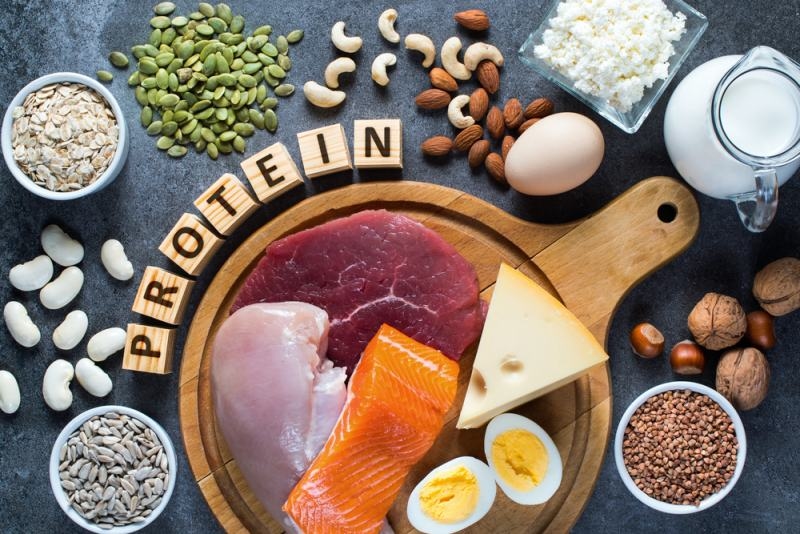
Protein is often referred to as the building block of the body - and for a very good reason. A high-protein diet involves reducing carbohydrates and/or fat intake and increasing protein intake, all in an effort to move the daily calorie balance towards protein. Now it's a common method for those seeking muscle-building, weight maintenance, or simply consistent energy levels throughout the day. Increased protein doesn't necessarily mean more grilled chicken or protein shakes. It involves knowing what your body needs and creating a meal plan that suits your lifestyle.Key TakeawaysGenerally, a diet high in protein is 25-35% of calorie intake from proteins.It can help repair muscles, keep your weight in check, and leave you feeling full for longer.Foods high in protein are lean meats, eggs, legumes, dairy, and plant-based proteins.Some creative meal planning techniques can make it easier to consistently meet your protein needs.Balance is key - protein with fiber and healthy fats for best results.What Is a High-Protein Diet?A high-protein diet is a diet that has more protein than usual in the diet for a day. The average protein requirement is approximately 0.8g/kg of body weight. For a high-protein diet, it may increase to 1.2-2.0 grams per kg of body mass, depending on your activity and fitness goals.This is NOT a passing trend. Protein supplementation has been a practice of athletes and bodybuilders for many years, focusing on recovery and muscle building. The difference is that it's become more mainstream and is being used by more everyday people as a way to lose weight and improve metabolic health.How Much Protein Do You Actually Need?The amount of calories you need varies according to your own body weight, activity level, and personal objectives. If you're looking for a quick explanation:That's between 84 and 154 grams of protein per day for a 70kg regular exerciser.A high-protein diet has a lot of benefits.Increased protein intake isn't simply for the fuel of muscles. Studies show that there are several practical benefits to this approach.Why People Choose Higher Protein IntakeFacilitates muscle building and recovery - Protein provides amino acids for tissue repair.Promotes satiety - Protein helps to keep you full longer, which may help to decrease total snacking.Maintains lean body mass when fat is lost - A higher protein intake helps to preserve muscle when reducing calories.Helps maintain steady blood sugar - Protein slows down digestion to prevent energy drops.Moderately increases metabolism - Protein digests at a higher calorie rate than fat and carbs.That's one explanation why high-protein eating is still in style with fitness goers and typical dieters alike.High-Protein Diet Foods Worth Adding to Your PlateThe right foods are key to maintaining this type of eating. Not all protein sources are the same, so variety is important.High protein diet foods - What are the best?Lean meats: lean cuts of beef, turkey, and chicken breastSugar, honey, and syrup: maple syrup, cane syrup, honey, sugar syrup, and sugar.Eggs can be an excellent source of protein and are relatively affordable.Fruit: Any fresh, unsweetened variety or 100% fruit juice. Grains: Graham crackers and crackers with low-fat cracker spread.Lentils, chickpeas, tofu, tempeh, and edamame are all excellent choices of plant-based protein.Legumes: lentils, black-eyed peas, kidney beans, and black lentilsVarying the animal protein with plant protein in the same week means a wider variety of nutrients is consumed.Must Try: How Does The Effect of Diabetes Change Your Body Function?Meal Planning Strategies for a High-Protein LifestyleWith a little planning, it's much easier to maintain a high-protein diet. Your daily eating can leave you with protein deficiencies by dinner time.The simple meal planning strategies that work!Eat protein first - Make protein the main part of a meal, then fill in sides.Cook in bulk - Make proteins such as chicken or lentils in large batches for the week.Eat protein at all meals, rather than at dinner.Have quick snacks on hand - Boiled eggs, yoghurt, or nuts will avoid low-protein snacking.Track loosely - Check in with an app or a few notes if you need to ensure you're meeting daily targets.Eggs for breakfast, a chicken salad for lunch, salmon with vegetables for dinner, and a snack of Greek yogurt between meals.Common Mistakes to AvoidNo matter how well-meaning, it's easy to make mistakes when moving toward a higher protein diet. Be alert for the following problems:Excessive use of protein supplements (powders or bars) instead of protein from food sources.Dubai is an excellent place to eat healthy food. The city of Dubai is a great place to have a healthy meal without giving a thought to fiber and good fats that help the digestive system and the heart.Consuming too much protein, but not enough calories.Not drinking enough liquids as they require more water due to higher protein consumption,Balance remains key. A high-protein diet is most effective when combined with vegetables, whole grains, and healthy fats.Is a High-Protein Diet Right for You?Protein intake can be increased safely for most healthy adults, but seek medical advice before increasing protein if you have kidney disease. The most significant benefits in this regard are seen by athletes, weight management patients, and individuals who are seeking a more consistent source of energy. Like with every diet, it's all about what your body needs, and taking it slow will yield positive results over time.Final ThoughtsIt's not a high-protein diet; it is a diet of intention. Knowing what protein you need, where to get it, and how to plan it thoughtfully can help to create an eating pattern that focuses on a realistic and sustainable goal.Also Read: Type 1 Diabetes Management: All You Need To KnowFrequently Asked Questions1. What is a high-protein diet exactly?A high-protein diet is an eating plan that emphasizes foods high in protein, such as meat, eggs, dairy, and legumes, in order to provide a high amount of protein intake (25-35% of daily calories) needed for building muscle and metabolism.2. What foods are healthy when on a high-protein diet?Eggs, chicken, fish, Greek yogurt, lentils, and tofu are all great options. These foods are full of or nearly complete protein, inexpensive, and simple to make.3. What are the primary advantages of a high-protein diet?It is popular among athletes and regular dieters due to its many benefits, such as improved muscle recovery, fullness after eating, balanced blood sugar, and weight management.4. How much protein should I eat daily?The recommended amount is 0.8 - 2.0 g/kg body weight, depending on activity level. Those who are athletes or weight loss focused will require more on the high end.

Is Intermittent Fasting Right for Your Health in 2026?

 Quick TakeawaysIntermittent fasting is actually all about the time in which you eat food rather than what kind of food you eat. Some of the most effective intermittent fasting plans are 16:8 fasting, the 5:2 diet, and alternate-day fasting. There have been several studies associating intermittent fasting with benefits for weight, blood sugar levels, and heart health. Making healthy choices during your eating windows is all that matters. Intermittent fasting is not right for everyone-pregnant women, kids, and people with certain health conditions should stay away.Intermittent fasting's everywhere these days, and a lot of people are talking about it for good reason. Unlike strict dieting, you're not obsessing over food lists and forbidden snacks. You just change the timing of your meals. Research from respected sources such as the New England Journal of Medicine and the NIH suggests that fasting by the clock can boost metabolism, support steady weight loss, and reduce certain risks associated with chronic disease. But, like anything, it's not magic. Success really depends on how you approach it. So, if you're curious about what intermittent fasting actually is, how it works, and whether it's right for you, here's a straightforward guide to intermittent fasting schedule. So let's discuss the basics, the types of fasting, the results and drawbacks, and some beginner-friendly tips to get you started. What is Intermittent Fasting? Intermittent fasting is an eating pattern in which you cycle between periods of eating and periods of voluntary calorie restriction.No need to cut out certain foods-just stick to an eating schedule. When you're not eating, your body dips into its energy reserves instead of burning up new food. People like this approach because it's flexible. You aren't tied to special supplements or expensive programs-just a routine that works for your life.How Does Intermittent Fasting Work?After you eat, your body burns the glucose from what you just consumed. Go a handful of hours without food, and insulin levels start to drop, which nudges your body to burn stored fat. Scientists call this process "metabolic switching," and it usually kicks in after 12 to 16 hours of fasting, though everyone's a little different. There's some evidence that fasting may impact hormones like insulin and even support cell repair, but researchers are still learning more about the long-term effects.Popular Intermittent Fasting SchedulesWhich fasting method works best? It really depends on your day-to-day life and what feels doable. Here are the top choices:16:8 Method  The classic. You fast for 16 hours, then eat during an 8-hour stretch (say, noon to 8 pm). Sleeping through much of the fast makes this one easy for beginners.5:2 Method  Eat like usual five days a week, then cut calories (around 500-600) on two separate days. Works for some but takes planning.Alternate-Day Fasting  Alternating between a normal eating day and a fasting/very low-calorie day. It's effective for some, but sticking to it long term can be tough.Eat-Stop-Eat  Here, you fast for a full 24 hours, once or twice a week. This approach is more challenging, especially for newcomers.What are the Benefits of Intermittent Fasting?There are various intermittent fasting benefits, and here are a few perks the research team is still piecing together:1. Aids in Weight ManagementSimply limiting how much you eat in a day typically reduces the number of calories you consume-when you're conscious of the quality of your food, it could be the key to slow, steady weight loss. So, if you're planning on shedding some extra kilos, try intermittent fasting for weight loss.2. Enhances Insulin SensitivityThere are reports suggesting that fasting may improve your body's reaction to insulin, which could regulate your blood sugar levels and decrease your risk of type 2 diabetes.3. Possibly Beneficial for Your HeartSo far, limited research suggests that your blood pressure, cholesterol, and inflammatory response might improve with intermittent fasting, though long-term data are required.4. Boosts Cellular HousekeepingWhen you stop eating, it ignites a cell-cleanup function in your body called autophagy, during which cells eliminate damaged components. Researchers think it may have some effect on aging.Simplifies Healthy Eating  Fewer meals to plan can actually make it easier to eat healthier and avoid mindless snacking. This ensures no overeating or late-night munching, leading to clean guts.Does Intermittent Fasting Actually Work?People ask this all the time. The short answer: it works for a lot of folks, but not everyone. A 2022 New England Journal of Medicine article examined the 1,200-plus participants in a 2019 Ozempic study. Many shed weight, got a handle on blood sugar, and saw lower risks for some heart conditions, too. Making it an ideal heart health diet.It's worth noting, though, that the biggest intermittent fasting benefits seem to come from eating fewer calories overall and making better food choices-not just from the fasting itself. At the end of the day, fasting's a tool, not some cheat code. If your eating windows are full of junk food and soda, don't expect magic.The basics still matter most: stick to whole foods, move your body, get enough sleep, and keep things consistent.Is Intermittent Fasting Healthy and Safe?For many healthy adults, intermittent fasting is safe-if you do it responsibly. But it's not for everyone. Definitely check with your doctor first if you:Are you pregnant or breastfeedingHave type 1 diabetesStruggle with eating disordersTake medication that affects blood sugarAre underweightAre under 18Even if you're generally healthy, you could feel hungry, tired, or irritable at first. That's normal while your body gets used to the new rhythm. Pay attention to how you feel-if fasting leaves you wiped out or cranky, it might not be your thing.How to Start Intermittent Fasting Safely?Thinking about giving it a try? But I don't know how to do intermittent fasting. No problem, we've got you. Don't rush in-ease your way. Here is how:Pick a Beginner-Friendly Plan  Most people start with the 16:8 method. It fits easily into a regular day and isn't too overwhelming.Stay Hydrated  Drink plenty of water. Black coffee and unsweetened tea are fine during fasts, too, since they don't add calories.Select Nutrient-Dense OptionsLoad your plate with healthy fats, fiber, lean protein, veggies, whole grains, and fruits. Balanced, well-planned meals keep you full and provide a variety of nutritional benefits.Don't Overdo It  Fasting isn't a free pass to binge when you eat. Stick with healthy portions, even during your eating window.Exercise Thoughtfully  Light or moderate workouts work well. If you exercise intensely, aim to do it after you eat so your body can recover.Try This: Choosing The Perfect Food: How To Maintain A Balanced DietSample Intermittent Fasting Diet PlanYou don't need anything complicated. For a basic 16:8 plan:12 pm (Lunch): Grilled chicken or tofu, brown rice, mixed veggies, side salad  3:30 pm (Snack): Greek yogurt, mixed berries, a handful of almonds  7 pm (Dinner): Baked salmon, sweet potato, steamed broccoli  Throughout the day: Water, herbal tea, black coffeeThis kind of plan covers your needs for protein, fiber, healthy fats, and vitamins-so you feel steady and satisfied.Common Mistakes to Avoid in Intermittent FastingA lot of people trip up in familiar ways. Here's what to watch out for:Jumping into long fasts right awayNot eating enough proteinDrinking sugary drinks during fastsOvereating when you finally eatSkipping waterExpecting instant resultsSmall, steady changes beat strict or extreme plans every time.ConclusionIntermittent fasting has earned its place in nutrition discussions thanks to promising research around weight, metabolism, and long-term healthy habits. Still, there's no one-size-fits-all fix. Your best results come from combining fasting with good, wholesome food, regular movement, solid sleep, and consistency. No matter what kind of plan you're interested in, 16:8 or 5:2, try to implement one that works with your lifestyle. Always, always speak with your doctor before jumping in, especially if you have any underlying health conditions. It's always smarter to personalize your approach than to just follow whatever trend is hot.Start Building Healthier Habits Today. Lasting health changes rarely happen overnight. Progress involves making simple changes every day that align with the rest of your life. Stick with reputable information, pay attention to your own needs, and build habits you can keep for the long haul-instead of chasing another quick fix.FAQsCan I Drink Coffee While Intermittent Fasting?  Yes. Plain black coffee is usually fine and doesn't break your fast. The same goes for water and unsweetened tea. But if you add sugar, cream, milk, or syrups, you're adding calories that might mess with your fast.Should I Exercise While Fasting?  A lot of people do fine with light or moderate exercise, such as fast walking, yoga, cycling, or some strength work. If you feel dizzy or weak, try working out after you've eaten. High-intensity training or athletics? You may need a specific plan and more tailored nutrition advice.How Long Should I Try Intermittent Fasting Before Evaluating Results?Let's stick with your routine for 4-8 weeks before deciding whether you like IF. It will allow you to make some adjustments and allow you to notice some effects on energy levels, hunger levels, weight, and overall mood.

Endometriosis Diet: What to Eat to Reduce Daily Symptoms

 Endometriosis is not just about painful periods. It is a long-term inflammatory condition that affects hormones, digestion, energy levels, and daily functioning. Medication and surgery are common treatment routes, but many people still deal with ongoing symptoms even after medical care.That is where diet comes in.An endometriosis diet is not a cure, and it is not a trend. It is a practical way to support the body by reducing inflammation, improving estrogen balance, and easing gut-related symptoms. When done properly, nutrition becomes a steady support system rather than another thing to manage.This article breaks down how nutrition for endometriosis works, which foods for endometriosis are actually worth focusing on, and how diet fits alongside real endometriosis treatment options.Why Diet Plays a Role in EndometriosisEndometriosis is closely linked to chronic inflammation and estrogen activity. Food choices affect both.What you eat influences:Inflammatory responses in the bodyHow estrogen is processed and removedGut health, which affects pain and bloatingBlood sugar stability, which impacts fatigue and hormone balanceThis is why managing endometriosis naturally often starts with diet. Not because food fixes everything, but because it removes some of the constant pressure on the body.Discover More: Multiple Sclerosis Diet: Best Foods to Support Your BodyEndometriosis Diet Basics That Actually Make SenseThere is no single plan that works for everyone, but most effective approaches follow the same structure. A solid endometriosis diet is based on whole foods, steady meals, and avoiding things that clearly make symptoms worse.Focus on Lowering InflammationEndometriosis thrives in an inflamed environment. An anti inflammatory diet for endometriosis aims to calm that response rather than trigger it repeatedly.That means:Fewer processed foodsLess added sugarMinimal fried and packaged snacksThe goal is not perfection. It is reducing daily inflammation load.Use Fiber to Support Estrogen BalanceFiber helps the body remove excess estrogen through digestion. This matters because endometriosis is estrogen-driven.Good fiber sources include:Vegetables like broccoli, zucchini, carrotsFruits such as berries and applesWhole grains like oats and brown riceBeans and lentilsThis part of nutrition for endometriosis also supports regular digestion, which many people struggle with.Keep Blood Sugar StableSkipping meals or relying on refined carbs can worsen fatigue and hormone swings.Helpful habits include:Eating regular mealsPairing carbs with protein or fatAvoiding long gaps without foodStable blood sugar supports energy and hormone regulation.Also check: What is the Best Parkinson's Diet That You Should Follow?Foods for Endometriosis That Are Worth PrioritizingYou do not need exotic ingredients. Most foods for endometriosis are basic, accessible, and easy to work into regular meals.Omega-3 Fat SourcesOmega-3 fats help reduce inflammatory signals in the body.Include:Salmon, sardines, or mackerelChia seeds or flaxseedsWalnutsThese foods are a core part of an anti inflammatory diet for endometriosis.Vegetables and Fruits With AntioxidantsAntioxidants help manage oxidative stress, which is linked to inflammation.Focus on:Leafy greensBerriesBell peppersTomatoesYou do not need superfoods. Variety matters more.Protein That Is Easy to DigestProtein supports tissue repair and hormone production.Better options include:Fish and eggsChicken or turkeyLentils, beans, tofuPlant-based protein also supports fiber intake, which strengthens nutrition for endometriosis overall.Healthy FatsHealthy fats support hormone signaling and help meals feel complete.Use:Olive oilAvocadoNuts and seedsThese fats replace inflammatory oils found in processed foods.Foods That Often Make Symptoms WorseNot everyone reacts the same way, but certain foods are common triggers.Many people with endometriosis limit:Ultra-processed foodsSugary drinks and dessertsLarge amounts of red meatAlcoholSome also experiment with reducing gluten or dairy, especially if bloating or bowel pain is an issue. This should be done carefully and not all at once.Managing Endometriosis Naturally Beyond FoodDiet works best when it is not isolated. Managing endometriosis naturally usually includes a few lifestyle basics.Helpful supports include:Gentle movement like walking or stretchingStress management, even simple breathing exercisesAdequate sleepDrinking enough waterThese habits support the same systems targeted by diet and make symptoms more predictable over time.Where Diet Fits Into Endometriosis Treatment OptionsDiet is not a replacement for medical care. It is a support layer.Common endometriosis treatment options include:Pain management medicationsHormonal therapiesSurgical treatment for severe casesNutrition helps by reducing background inflammation and supporting recovery. Many healthcare providers now recommend dietary changes alongside standard treatments because it improves overall symptom control.How to Stick With an Endometriosis Diet Long TermThe best plan is the one you can maintain.Practical tips:Build meals around vegetables firstChoose whole grains instead of refined carbsAdd omega-3 foods a few times per weekCook more at home when possibleKeep meals simpleConsistency matters more than strict rules.Small changes done consistently work better than short-term overhauls. Your body needs food testing because your body shows different responses to various food items. The therapist should use all available time to assess your current condition. The goal is steady symptom control over time, not a perfect endometriosis diet.More to Discover: Yaws Disease: Symptoms, Causes, Treatment, and PreventionFinal TakeawayAn effective endometriosis diet focuses on reducing inflammation, supporting estrogen balance, and easing digestive strain. It does not replace medical treatment, but it makes daily symptoms easier to manage.When combined with appropriate endometriosis treatment options, smart foods for endometriosis, and realistic lifestyle habits, diet becomes a practical tool for managing endometriosis naturally without adding more stress to daily life.FAQsDoes an endometriosis diet really help?An endometriosis diet does not cure the condition, but many people report reduced pain, less bloating, and better energy levels when they follow it consistently.How long before nutrition for endometriosis shows results?Some changes show up within a few weeks, while others take a few months. Results depend on symptom severity, consistency, and how diet works alongside endometriosis treatment options.Is an anti inflammatory diet for endometriosis safe to follow long term?Yes. An anti inflammatory diet for endometriosis is based on whole foods and balanced meals. When done properly, it supports long-term health, not just symptom control.

What Is the BRAT Diet? Foods, Uses, and Recovery Guide

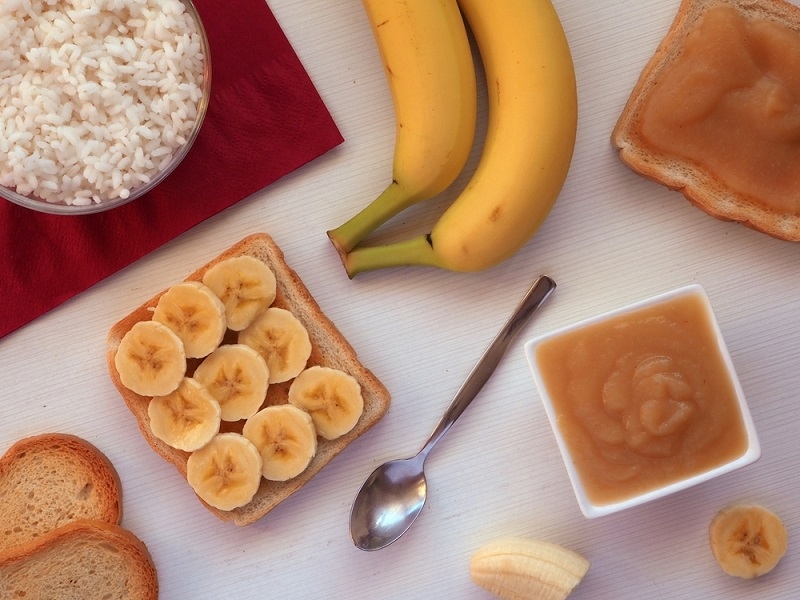
 Stomach bugs, diarrhea, or nausea can throw your system completely off track. When you can't hold down normal meals, sometimes the only way to get relief is to go back to basics. That's where the BRAT diet comes in.It's a simple, old-school approach that's still around because it works when your digestive system needs a break. Instead of forcing heavy meals on an irritated stomach, the BRAT diet gives you light, safe foods that don't push your body too hard. Think of it as pressing the reset button-easy carbs, mild flavors, and gentle textures. Whether it's food poisoning, stomach flu, or just a random upset stomach, the BRAT diet is often the first step people take toward feeling normal again. And while it's not a long-term solution, it can be exactly what your body needs in the moment.What Is the BRAT Diet?The BRAT diet is short for Bananas, Rice, Applesauce, and Toast. These four simple foods make up the original brat diet list. They're bland, low in fiber, and gentle on the stomach. The idea is that when you're recovering from vomiting, diarrhea, or stomach flu, your body doesn't have to work as hard to digest these foods.So, if you've ever wondered what is brat diet supposed to do-it basically gives your stomach a break. Bananas help bind stool thanks to pectin, rice and toast add bulk without irritating the gut, and applesauce offers a mild source of carbs without the rough texture of raw fruit.More to Discover: Effective Ways To Exercise At Home: Working Out Without GymWhy People Use the BRAT DietThe diet has been around for decades because it does a few things right:It helps calm nausea.It can make stools firmer during diarrhea.It's easier to tolerate than heavy, fatty, or spicy meals.But let's be clear-this isn't a balanced diet. It's a short-term fix, not a long-term eating plan. While the brat diet food list works when your stomach is unsettled, it doesn't give you enough protein, healthy fats, or key nutrients.BRAT Diet for AdultsMany people think of BRAT as something pediatricians recommend for kids, but the brat diet for adults works in the same way. If you're dealing with food poisoning, a stomach bug, or post-surgery nausea, sticking to the brat diet list for a day or two can make eating less stressful.That said, adults need more energy and nutrients than kids. Living on bananas and toast for too long will leave you feeling weak and drained. For adults, the trick is to use BRAT as a starting point. Once symptoms calm down, you should gradually reintroduce foods like plain chicken, boiled potatoes, or oatmeal so your body gets back to normal nutrition.Another key factor for adults is hydration. Vomiting and diarrhea drain fluids quickly, so sipping water, broth, or electrolyte drinks is just as important as following the brat diet food list.Must Read: Everything About The Perfect Gym workouts for beginnersThe Complete BRAT Diet ListOriginally, the brat diet list had just four foods: bananas, rice, applesauce, and toast. But most doctors today say it's okay-and even better-to include other bland, easy-to-digest foods once you can tolerate them.Here's a practical brat diet food list to follow:Bananas (ripe, soft)White rice (plain, no seasoning)Applesauce (unsweetened)White toast (without butter or spreads)Plain crackers or saltinesBoiled or mashed potatoesSteamed or baked skinless chickenOatmeal or cream of wheatClear broth or mild soupsPlain yogurt, if toleratedFoods to AvoidWhile on the BRAT diet-or anytime your stomach feels sensitive-avoid foods that are greasy, spicy, or high in fiber. Raw vegetables, fried snacks, alcohol, caffeine, and dairy (other than yogurt) can make symptoms worse.Pros and Cons of the BRAT DietLike anything health-related, there are upsides and downsides.BenefitsSimple foods that won't upset the stomachHelps calm diarrhea and nauseaEasy to prepare and digestDownsidesToo low in nutrients for long-term useDoesn't provide enough protein or healthy fatCan leave adults weak if followed for more than a couple of daysThis is why most experts now recommend moving from the strict brat diet food list to a broader bland diet as soon as you're able.How to Use the BRAT Diet SafelyIf you're thinking about trying the brat diet for adults, here are a few tips:Start small-just a few bites of toast or applesauce to test tolerance.Eat light meals every few hours instead of big portions.Drink plenty of fluids to replace what's lost.As soon as nausea or diarrhea improves, add other mild foods like chicken or oatmeal.Don't stick to BRAT for more than 48 hours-transition back to balanced meals.If symptoms last longer than a couple of days, or you notice signs of dehydration, blood in stool, or severe pain, seek medical care right away.BRAT Diet vs. a Bland DietIt's worth noting that the BRAT diet isn't the only option. Many doctors now suggest a broader bland diet instead. The bland diet still avoids spicy, fatty, or high-fiber foods but gives you more choices, like soft cooked vegetables, noodles, or lean protein.So, while the brat diet food list can help during the roughest phase of stomach issues, transitioning to a bland diet ensures you get more nutrition without upsetting your digestive system.Explore More: Multiple Sclerosis Diet: Best Foods to Support Your BodyConclusionThe BRAT diet is simple, safe, and effective when your stomach can't handle much else. It gives your digestive system time to calm down, making it easier to recover from nausea, diarrhea, or stomach flu. Still, it's not a diet to live on-especially for adults who need more nutrients and energy.If you're following the brat diet food list, keep it short-term and make hydration a priority. Once symptoms ease, expand beyond the basic brat diet list and add protein, mild vegetables, and other bland but nourishing foods. The brat diet for adults is best seen as a quick fix, not a long-term plan. Think of it as a stepping stone: start with the basics, then gradually return to balanced eating to fully regain strength and energy.

Multiple Sclerosis Diet: Best Foods to Support Your Body

Let's get one thing straight: food isn't going to cure your MS. But if you're not using your diet as a weapon in your fight against this condition, you're missing out on a major advantage. A well-structured multiple sclerosis diet plan won't replace your meds - it'll work with them. Think of it as fuel for your brain, your body, and your energy reserves when MS decides to throw one of its unpredictable tantrums.If you've been Googling terms like "best diet for multiple sclerosis" or wondering whether the ketogenic diet for multiple sclerosis actually works or is just another overhyped trend, stay with me. We're cutting the noise, skipping the pseudoscience, and zeroing in on real, research-backed foods that should live in your kitchen - and your plate - every day.First, Why Bother with a Multiple Sclerosis Diet?Because inflammation, fatigue, brain fog, and nerve degeneration don't stand still. They evolve. And so should your strategy. The link between diet and multiple sclerosis isn't woo-woo wellness - it's real science. Chronic inflammation drives MS progression. The right diet helps cool that fire down.A good diet for multiple sclerosis can:Lower inflammationImprove gut healthHelp manage fatigue and brain fogKeep your weight steadyMake flare-ups less brutalDon't Miss: Learn Causes and Treatments for MS Hug in Multiple SclerosisBest Foods to Include in Your Multiple Sclerosis Diet PlanLet's talk about what belongs in your multiple sclerosis diet plan and what should be kicked to the curb.1. Fatty Fish - Real Omega-3 Power, Not HypeForget the capsules and overpriced supplements. If you're serious about an anti-inflammatory lifestyle, you need real food sources of omega-3s. Fatty fish like:SalmonMackerelSardinesTuna...should be in your grocery cart. Omega-3s reduce inflammatory cytokines and support nerve cell membranes. The multiple sclerosis diet isn't about eating like a rabbit - it's about being strategic.Minimum: 2 servings per week. Grilled, baked, or pan-seared.2. Leafy Greens + Cruciferous Veg = Brain FuelWhen it comes to diet and multiple sclerosis, antioxidants are non-negotiable. They neutralize free radicals that accelerate nerve damage. Where do you get them? Dark, leafy, nutrient-dense greens.Put these on rotation:SpinachKaleSwiss chardBroccoliBrussels sproutsCauliflowerCruciferous vegetables contain sulforaphane - a compound that's basically a fire extinguisher for inflammation. And if brain fog is your daily battle, the folate and vitamin K in leafy greens will help clear the mental haze.Steam lightly or toss in olive oil. No, iceberg lettuce doesn't count.This is how you eat to think, move, and feel better - consistently.3. Whole Grains = Long-Lasting Energy Without the CrashYou don't need to go carb-free to tame MS. You need to ditch stupid carbs. Say goodbye to white bread, sugary cereals, and processed snacks. What you want are high-fiber, slow-burning carbs that feed your gut and keep your blood sugar stable.Best picks:QuinoaBrown riceSteel-cut oatsBuckwheatBarleyThese aren't just about energy. A healthy gut = a healthier immune system. And the gut-brain connection? It's very real. Any good multiple sclerosis diet plan should start from the inside out.Aim for 3-5 servings a day. Skip the gluten if it makes your symptoms worse - some people do better without it.4. Berries and Fruits That Actually Do SomethingNot all fruit is created equal. You want the ones with high antioxidant value, not the sugary ones that spike your glucose. Focus on:BlueberriesRaspberriesCherriesBlackberriesPomegranatesOranges (for vitamin C and potassium)These fruits help lower oxidative stress - the kind that wrecks nerve cells. And they're naturally anti-inflammatory, which makes them essential for any solid diet for multiple sclerosis.One to two servings daily is enough. Make sure they're real, not juice.And no, dried fruit doesn't count unless it's unsweetened and in small amounts.5. Lean Protein + Plant-Based AlternativesDon't go low-protein. That's not helping your fatigue or muscle strength.Go for:ChickenEggsTurkeyTofuLentilsBlack beansPlant-based proteins come with fiber and antioxidants. If you eat red meat, make it grass-fed and occasional.Protein = every meal. Keep it clean.6. Healthy Fats (That Don't Destroy Your Nerves)Say goodbye to processed oils and butter overload. Say hello to:AvocadosOlive oil (extra virgin)AlmondsWalnutsPumpkin seedsTahiniThese fats reduce bad cholesterol, support cognitive function, and help fight inflammation. And yes, they actually taste good. Want the best diet for multiple sclerosis? You need fats that work for you, not against you.Add these to smoothies, salads, or eat them straight. Fat is not your enemy - garbage fat is.7. Fermented Foods: Your Gut's New Best FriendThe research is clear - your gut plays a huge role in immune regulation. And guess what's compromised in MS? Your immune system. So, feed your microbiome like your life depends on it (because, kind of, it does).Best fermented foods:Greek yogurt (with live cultures)KefirKimchiSauerkrautMisoTempehProbiotics reduce inflammation, improve digestion, and enhance mood. If your multiple sclerosis diet plan doesn't include probiotics, you're missing out on a major support system.Don't like fermented foods? Get a high-quality probiotic supplement. But talk to your neuro first.8. Hydration, Minus the Sugar and CrapWater is boring, sure. But dehydration makes MS symptoms 10x worse. Dizziness, fatigue, brain fog? All amplified if you're not hydrating.Other solid options:Herbal teas (ginger, peppermint, green tea)Coconut water (unsweetened)Infused water with cucumber, lemon, mintSkip the soda, energy drinks, and excessive coffee. And alcohol? Test it for yourself. Some people with MS tolerate it. Many don't. Trust your body.8-10 cups of fluid a day. No excuses.Hydration isn't optional. It's your daily maintenance tool.What About the Ketogenic Diet for Multiple Sclerosis?The ketogenic diet multiple sclerosis connection is real. This high-fat, low-carb approach forces your body to burn ketones instead of glucose.Benefits reported in studies:Improved brain energyLower inflammationReduced fatigueA 2019 study in Frontiers in Neurology showed real improvement in MS symptoms on keto. But this plan isn't one-size-fits-all. Get medical input before jumping in.Keto-friendly MS foods: eggs, greens, avocado, salmon, olive oil, cauliflower, coconut.You may also like: 10 Lifestyle Hacks For Managing Multiple SclerosisFoods That Make Things WorseIf you want your multiple sclerosis diet plan to actually work, cut the garbage:Processed meatsFried foodSugary snacksSodaExcess dairyWhite carbsFast foodKeep it real, whole, and unprocessed.Sample MS Diet PlanBreakfastEggs + spinachGluten-free toast + avocadoHerbal teaLunchGrilled salmon saladOlive oil dressingQuinoa + berriesSnackYogurt + flaxseed ORHummus + cucumbersDinnerLentil stewSautéed kaleCauliflower riceDessert1 square dark chocolateFinal WordThere's no magic food, but there's power in your plate. The right multiple sclerosis diet can help you fight smarter. Whether it's the Mediterranean path, a plant-heavy routine, or even the ketogenic diet for multiple sclerosis, stay consistent.Eat with purpose. Eat to function better. Because every bite matters.

Ashwagandha Benefits: Boost Energy & Reduce Stress Fast

In today's fast-paced world, managing stress and maintaining energy levels have become essential to leading a healthy, balanced life. Among various natural remedies, ashwagandha has gained significant attention for its ability to boost energy and reduce stress. This ancient herb, rooted in traditional Ayurvedic medicine, is now backed by modern science for its multiple health benefits.In this comprehensive guide, we'll explore what is ashwagandha, delve into the scientifically-backed benefits of ashwagandha, examine potential ashwagandha side effects, and explain how it can naturally improve your well-being.What is Ashwagandha?Ashwagandha (Withania somnifera) is a small shrub with yellow flowers indigenous to India and North Africa. The herb is also known as Indian ginseng or winter cherry and has been used for the past 3,000 years in Ayurvedic medicine to increase strength, decrease stress, and generally improve life.The word "ashwagandha," comes from the Sanskrit meaning "smell of the horse," referring to the peculiar odor of the herb and its ability to give horse-like strength and vigor. Extracts made from the root and leaf of the plant are widely used in powdered form, in capsules, and in tea.Ashwagandha Benefits for Energy and Stress ReductionIn terms of adaptogens, ashwagandha would meet the criteria; an adaptogen is a natural substance, which helps body adjustments against stress. It regulates cortisol levels, improves brain function, and supports energy metabolism. Let us dig into the clearer light and more in-depth study of such ashwagandha benefits that have made it a popular recommendation for stress relief and increase in vitality.1. Reduces cortisol levels.Cortisol is the main stress hormone in the body. Over time, high cortisol leads to chronic fatigue, weight gain, anxiety, and sleep disturbances. Multiple researches have proven ashwagandha to significantly reduce cortisol levels in the body. According to one clinical trial performed in 2012, where subjects were put under retesting with ashwagandha, the cortisol level was reduced by 28% in addition to overall improvement in well-being.Also check: Cholesterol Treatments: 7 Tips to Manage High Cholesterol2. Energizes and Strengthens the Body.While many turn to caffeine for a quick jolt of energy, they often come crashing down shortly after. Ashwagandha provides energy in a more sustainable form. It trains mitochondrial function within cells-the part responsible for producing energy-improving endurance, better physiologic performance, and decreased fatigue.3. Supports Adrenal HealthMore and more people are discovering that the hormonal functions of adrenal glands include the secretion of cortisol and other hormones. Chronic stress normally makes these glands tired. Ashwagandha works on the functionality of adrenal glands and levels of hormones, mainly to make the body healthy in recovering and maintaining stress responses.4. Enhances Brain FunctionMuch memory, focus, and cognitive ability come under the effect of stress as well as fatigue. Good energy enhancement and endurance control are useful in improving performance and performance while waiting for lower exhaustion. Ashwagandha has neuroprotective characteristics owing to its capabilities to lessen oxidative stress in the brain and pave the way for mental lucidity through increased concentration. Some studies even point out that it's good for reproducing nerve cells and alleviating some neurodegenerative symptoms.5. Enhances Quality of SleepStress is the major slayer of any state on a sleep stage. Ashwagandha also brings in quiet snoozes to humans as it calms one's nervous system and lowers cortisol levels. It is the best answer to natural insomnia and related ailments.6. Balances Mood and Reduces AnxietyAnother notable advantage of ashwagandha is its anxiolytic benefit. It could be the best option for people struggling with GAD as it calms the GABA receptors in the brain, thus probably enhancing the efficacy of the herbal effects for the disorder. Clinical trials have shown significant reductions in anxiety symptoms among users.Additional Health Benefits of AshwagandhaEnergy and stress relief are central to ashwagandha's advantages, but the benefits extend well beyond these two. Below are additional reasons this herbal remedy is so common in holistic health: 1. Immune System SupportAshwagandha enhances the production of white blood cells and the activity of natural killer cells, which combat infections and facilitate immune health.2. Hormonal BalanceIn men and women, ashwagandha assists in balancing hormone levels. It supports thyroid function, enhances male fertility by improving sperm quality, and may ease PMS symptoms in women. 3. Anti-inflammatory PropertiesChronic inflammation is now being implicated in a variety of health conditions, such as heart diseases, diabetes, and arthritis. Withanolides are the powerful anti-inflammatory compounds found in ashwagandha that target inflammation at the cellular level. 4. Cardiovascular HealthBy lowering stress and cholesterol and by decreasing blood pressure, ashwagandha helps to indirectly maintain a healthy heart. Antioxidants protect blood vessels from oxidative damage as well.How to Use AshwagandhaAshwagandha is available in various forms:Capsules/Tablets: Perfect for daily supplements.Powder: Just mix into smoothies, milk, or warm water.Tinctures: Faster absorption with liquid extract.Tea: Herbal teas give even a calmer ritualistic experience.The dosage should be 300-600 mg of standardised extract; variations differ slightly based on the product and individual requirements; consult your doctor regarding all supplementation. Ashwagandha Side EffectsAlthough generally well tolerated, ashwagandha is not free from such effecting. It becomes important for noticing  side effects especially with long duration or high doses.Typical Ashwagandha Side EffectsGastrointestinal disturbances: Some people may also experience nausea, diarrhea, or any stomach upset.Somnolence: It has a relaxing effect; hence, some users may be more sedated during the daytime. Effects on Hormones: Users with hormonal conditions, such as PCOS and thyroid disorders, may use it cautiously. Allergy: Rare but possible, if any rash or itching develops stop using it immediately. A person suffers from pregnancy and breast-feeding: Effect on hormonal balance or uterine contractions may happen.People suffering from autoimmune disease: The immunological system is stimulated, which could worsen the condition in a case such as lupus, rheumatoid arthritis or MS.People taking medications: Particularly sedatives, thyroid medication or immunosuppressants must always consult with a doctor.Combining Ashwagandha with Other Wellness PracticesIn order to extract maximum benefits from ashwagandha for energy enhancement and reduction of stress, one must practice the normal life habits that go with it. Mindfulness and meditation: These practices are complementary to ashwagandha since it has calming effects.Regular exercise: Physical activity regulates stress hormones while improving energy metabolism.Nutritious diet: Whole foods support adrenal health and overall vitality.Regular sleep schedule: They compliment the sleep-promoting effects of this herb.Scientific Research and Modern RelevanceAn improving corpus of research on ashwagandha has, however, indeed proved its standing in modern integrated medicine. Such studies include:Stress reduction: The 2021 meta-analysis found in various studies that ashwagandha drastically reduced perceived stress levels as well as serum cortisol.Cognition and function: Improvement in reaction time, memory, and attention span were observed from the tests.Athletic performance: Ashwagandha intake translated into greater enhancement of VO2 max and reduced recovery time for the active people. This is why it is featured in almost every other health supplement on the shelf-from nootropics to energy boosters to adaptogenic combinations.You may like: Understand Anti-Inflammatory Diet: Foods to Eat and AvoidFinal Thoughts: Is Ashwagandha Right for You?Whether you're a student juggling deadlines, a professional dealing with workplace pressure, or simply someone seeking natural energy support, ashwagandha can be a game-changer. Its ability to reduce stress, enhance focus, and restore balance makes it one of the most powerful herbs in natural medicine.That said, it's not a magic pill. Consider ashwagandha a supportive tool in your overall wellness strategy-one that works best when paired with mindful lifestyle choices. With proper guidance and dosage, the benefits of ashwagandha can truly elevate your daily life and help you navigate modern stress with resilience and clarity.

15 Fitness & Nutrition Tips Every Man Should Know in 2025

 By 2025, an entirely different wavelength of men's health conversation took shape and adopted different causatives. Fitness, much unlike earlier days, is no longer about aesthetics or restrictive dieting. Today, well-being, which focuses on evidence-backed fitness and nutrition approaches for high physical strength, mental clarity, longevity, and resilience, defines optimal living. Be it muscle development or stress reduction or changing improvements in dietary habits or merely enjoying being alive, these fitness and nutrition tips for men will guide toward a stronger, healthier you.1. Consistency Instead of Intensity Over TimeToday's culture creates such extremes that it is very easy to believe that voids in the day make the best results achieved through more intense workouts. In fact, one of the most underestimated but essential fitness tips for men is the consistency aspect. Not about spending two hours in a gym once per week; rather it is about coming to an actual gym five- or six times per week, even if only for half an hour. Consistency builds discipline, develops habits, and allows long-term adaptation. Men who regularly and consistently move their bodies and eat good, not perfect, meals consistently will see the most transformation over time. So, stop chasing perfection; just make progress. Learn More: Check Out The Best Foods For Men's Skin Health and Nutrition 2. Focus on Functional StrengthIncorporating functional strength training into your fitness routine is one of the best health and fitness tips for men in 2025. Functional movements mimic real-life activities and improve coordination, balance, and endurance. Think squats, lunges, push-ups, rows, and kettlebell swings-compound movements that simultaneously activate multiple muscle groups and joints. Training for function, not just form, also reduces the risk of injuries in and out of the gym. For men who want long-term fitness, the goal should be to move better, lift smarter, and prepare the body for everyday life.3. Integrate Zone 2 CardioCardio constitutes the baseline of longevity, and in the year 2025, more and more men are beginning to find out about low-intensity, steady-state cardio as the game changer. Zone 2 cardio is that exercise where you have to break a sweat but can still hold a conversation. It has been shown to improve mitochondrial efficiency, heart health, and fat metabolism. Such is the undervalued advice of fitness and nutrition that pays off over time. Brisk walking, cycling, light jogging, etc., for 30-45 minutes a few times a week, will improve your stamina and get you good recovery from your resistance training. It's all about building a better engine for the long haul.4. Strength Training at Least 3 Times a WeekMuscle is metabolically active tissue, meaning the more lean mass you have, the higher your resting metabolic rate. Structured strength training at least three times a week is among the best fitness tips for men. Overload progressively in terms of resistance, reps, or intensity to stimulate growth. Strength training builds muscle mass along with improving bone density, hormonal health, and even cognitive function without regard to aesthetics. With aging, it becomes more critical to maintain muscle mass to prevent age-related decline. It's really strong in 2025, so strong is the new healthy.5. Do Not Forget the RecoveryEvery single workout success is supplemented by recovery. One of the best health tips or fitness tips for men will be to understand that rest really counts. The muscle will repair itself through hormonal regulation and mental rejuvenation, which all happens when asleep and recovering. You could easily overtrain, get tired, and injure yourself if you don't take time off. Prioritise quality sleep for at least 7-9 hours a night, stretching and foam rolling, as well as one or two days of active recovery each week. Think of recovery as not lying around doing nothing but actually as a crucial period in your growth cycle.6. Eat Whole Foods, Most of the TimeWhen it comes to eating tips nutrition for men, the advice is simple: stick to whole, minimally processed foods. Base your meals around lean proteins, complex carbohydrates, healthy fats, and a wide variety of colorful fruits and vegetables. These foods provide essential micronutrients, fiber, and antioxidants that support every system in your body. Whole foods nourish your muscles, fuel your brain, and keep inflammation in check. While it's okay to indulge occasionally, the bulk of your nutrition should come from clean, unprocessed sources that your body can use efficiently.7. Master MacronutrientsKnowing your macronutrients is the bedrock of all nutrition tips for men come 2025. Proteins build cells, carbs give energy, while fats support hormone production and brain function. The challenge is to achieve the correct balance among these three nutrients. Here's a simple rule of thumb: keep one half of the plate for veggies, dedicate a quarter to protein such as chicken, fish, tofu, or legumes, and the last quarter for carbs such as brown rice, quinoa, or sweet potato. Throw in a healthy fat source such as avocado, olive oil, or nuts for a complete meal. This provides sustained energy, muscle maintenance, and hormonal balance. Check This Out: The Immune System: A Working Defense For Your Health 8. Keep Hydrated All Day Long Hydration is a key to any form of physical performance, digestion, and even mental health. Nevertheless, it remains a hugely underrated fitness and nutrition tip. Remember, dehydration results in fatigue, cramping, a less sharp mind, and reduced recovery. Men should make it a habit of drinking at least 3L of water daily, and more if they exercise or live in hot climates. Add electrolytes to water after a grueling workout to replenish the sodium, potassium, and magnesium lost along with the sweat. Hydration goes a long in increasing energy, skin care, and training endurance.9. Schedule Meals at the Right Time When you eat can be just as important as what you eat. One of the highly strategic eating tips for men nutrition today is meal timing. After a workout whereby you can take proteins and slow carbs immediately, 30-60 min max can replenish glycogen and initiate muscle recovery. Starting with a high-protein breakfast can also stabilize blood sugars and keep hunger cravings at bay later on. Also, observe not to have heavy meals close to bedtime, as this might adversely affect sleep quality. Tuning meals to activity levels helps squeeze out more performance and recovery.10. Supplement WiselySupplements should support your diet, not replace it. Some of the most reliable nutrition tips for men in 2025 emphasize the importance of smart supplementation. Consider adding creatine monohydrate to support strength and muscle growth, omega-3 fatty acids for heart and joint health, and vitamin D to combat deficiencies, especially if you work indoors. Always prioritize whole foods first, but when needed, supplements can help you fill in nutritional gaps, recover faster, and perform better.11. Embrace Intermittent Fasting (If It Suits You)Intermittent fasting (IF) remains a popular approach for weight management and metabolic health. The key takeaway from this fitness and nutrition tip is that IF isn't for everyone, but it can be effective when done correctly. A common method is 16:8 fasting-eating within an 8-hour window and fasting for the remaining 16 hours. Many men find this helps with appetite control and mental clarity. However, it's important not to under-eat or neglect proper nutrient intake during your eating window. Listen to your body, and if IF works for your lifestyle and energy levels, it can be a valuable tool.12. Reduce Alcohol and SmokingFor most men, a serious effort toward good health entails abandoning habits to which they have become accustomed. More than anything, the advice given towards health and fitness in favor of men is to cut down on or altogether abstain from alcohol and tobacco consumption. Alcohol plays havoc with sleep, muscle recovery, and unnecessary calories that can only work against fat loss. Smoking, on the other hand, will hinder oxygen transport, lung capacity, and pretty much guarantee chronic disease. Another benefit: the more you reduce or quit one or both of these habits, the more immediate benefits you'll notice with respect to energy, recovery, and general well-being. 13. Track Your ProgressKeeping a record of your fitness journey holds you accountable, and it demonstrates to you how far you have come. This can mean a health/fitness app, progress pictures, or workout journals-just some of the very cool tips that many fitness-wary men do not apply. But don't dwell too much on the numbers. Weight is going to fluctuate; progress won't be linear. Identify those non-scale victories as well: increased energy, enhanced sleep, more strength, and greater confidence. They're just as paramount as anything on a chart.14. Adapt Your Program According to Your AgeYour fitness and nutrition approach must change as your body changes with age. Men who are younger may focus largely on muscle-building intensity, while older men stand to benefit more from mobility work and active joint recovery. Hormonal changes may also influence energy levels and metabolism. This is why contemplation of fitness and nutrition tips should be decided based upon where you are in your life. Take note of your body, and if something's not working for you, change your approach. What worked at 25 might not be the best thing to continue at age 45-and that's perfectly fine.15. Fit Fitness into Your Lifestyle, Not a ChoreIf there was an important fitness and nutrition tip, it would be to stop thinking of health as a task on your to-do list. Everything changes when fitness is an integral part of your identity- something you enjoy rather than endure. Discover activities you love, play with clean and tasty cooking, and honor the little wins. Your goal should not be a temporary transformation; it should be sustainable change. When you commit to a lifestyle filled with conscious eating, consistent movement, and positive habits, the results will take care of themselves. Also Read: Discover How Diet and Nutrition Affect Your Sleep Quality ConclusionAs we navigate the wellness landscape of 2025, the combination of consistent movement and smart nutrition has never been more important. These health and fitness tips for men are not quick fixes-they're lifelong principles that build strength, resilience, and confidence. Whether you're just getting started or refining your routine, focusing on daily decisions supporting your long-term goals is key.

© 2026 Copyrights - All Rights Reserved