GABA Supplements for Stress and Anxiety: Do They Really Work?

Key Takeaways
- GABA is a brain chemical your body already makes to quiet down overactive nerves.
- Stress, anxiety, and sleep are the big three reasons people try GABA supplements, though the science is still catching up.
- Getting oral GABA into your brain isn't easy, which explains why results are all over the place.
- Most people land somewhere between 100 mg and 750 mg a day, but check with a doctor first.
- Some drowsiness, stomach upset, or tingling isn't unusual when you start taking it.
- Fermented foods, herbal blends, and lab-made capsules are all fair game if you want it naturally.
Ever have one of those days where your brain just refuses to slow down? That restless, wired feeling is exactly what GABA is supposed to fix. Your brain already makes this stuff to calm noisy nerve signals, and now companies are bottling it up and selling it as a shortcut. Fair enough, but does it actually work? We looked into what the science says, how people typically take it, and what you should know before trying it yourself.
What is a GABA Supplement?
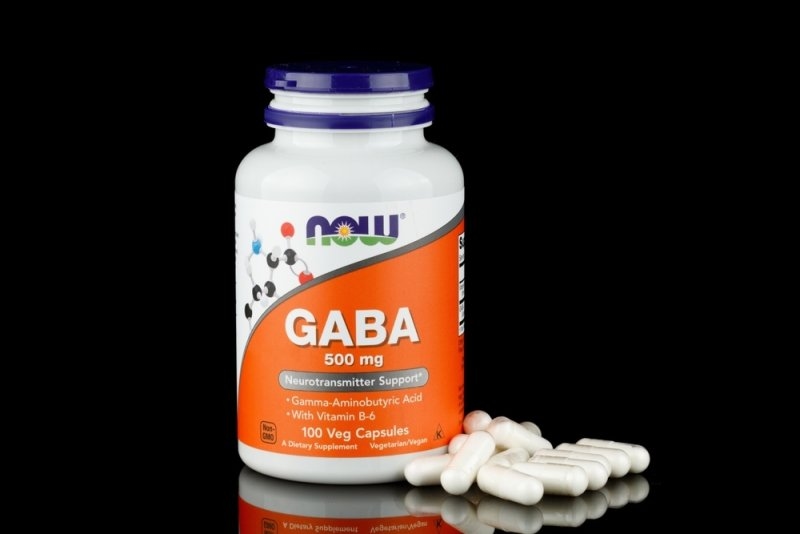
It's gamma-aminobutyric acid, the same molecule your brain already produces, just sold as a capsule, powder, or chewable. Some versions are made in a lab, others pulled from natural sources. Either way, the pitch is the same: feel calmer and a little less on edge, no prescription needed.
What Does a GABA Supplement Do?
In theory, it's doing the same job your own GABA does, just handed to you in pill form. It's supposed to dial down the nerve chatter that leaves you feeling tense or overstimulated. There's a catch, though; it is worth knowing before you buy a bottle.
The Blood-Brain Barrier Question
Whether swallowed GABA actually makes it into your brain is still up for debate. Some researchers think it works more indirectly, through the gut, rather than a straight shot to brain tissue. Honestly, that's probably why some people feel a difference and others feel absolutely nothing.
GABA Supplement for Stress
Stress tends to show up as racing thoughts and a clenched jaw, so it's no surprise people look into a GABA supplement for stress. A few early studies suggest GABA for stress might take some edge off cortisol spikes during tense moments. But the trials are small, and we're not in "proven" territory yet.
GABA for Anxiety
GABA for anxiety runs on the same basic idea, since anxious feelings usually trace back to an overactive nervous system. Small trials have found people reporting less anxiety after taking it, particularly right before something stressful. We'd want to see bigger, better studies before anyone calls this a real treatment, though.
GABA Supplement for Sleep
If your mind won't switch off at night, you've probably already looked into a GABA supplement for sleep. Some people say it helps them fall asleep quicker or feel less mentally buzzed before bed. Results vary a lot from person to person, so it works best paired with real sleep habits, not on its own.
Related Read: Anxiety and Stress Relief Supplements: What Really Works?
What are the Benefits of GABA Supplement?
This isn't a miracle-in-a-bottle situation, but a handful of areas do show some early promise.
1. Supports a Calmer Stress Response
In a few small trials, stress markers dropped a bit when people took GABA before a tough task. That's part of why some folks reach for it during finals week or a brutal stretch at the office.
2. May Ease Occasional Anxious Feelings
A couple of studies picked up on a short-term dip in self-reported anxiety, mostly around acute stressful moments. It's a mild effect at best, and honestly, we need bigger trials before anyone can say it really holds up.
3. Could Support Easier Wind-Down at Bedtime
Because it's supposed to calm an overactive nervous system, GABA might take some of that mental buzz down a notch at night. It tends to work better as part of a real bedtime routine than as a lone fix.
4. May Support Healthy Blood Pressure
Some evidence points to GABA giving a mild nudge to blood pressure that's already within a normal range, likely through its calming effect on the nervous system. Just don't treat it as a swap for actual blood pressure medication if you've been diagnosed.
5. Generally Considered Low Risk Short Term
Taken short term at standard doses, GABA looks fairly low risk for most healthy adults compared to a lot of what's on supplement shelves. We just don't have much long-term data, so a break now and then, plus a professional's opinion, isn't a bad idea.
Natural GABA Supplements
Not all of this comes out of a lab. Some GABA is pulled straight from fermented foods, plants, or bacterial fermentation. Fermented soybeans, certain teas, and a few probiotic strains are among the better-studied natural options. Here's what people typically go for.
| Source | Typical Form | Common Use |
| Fermented soy extract | Capsule or powder | General calm support |
| Chamomile blend | Tea or tincture | Bedtime relaxation |
| Probiotic strains | Capsule | Gut-brain support |
| Magnolia bark extract | Capsule | Stress and mood support |
GABA Dosage
Honestly, there's no one-size-fits-all number. It depends on the product, what you're trying to fix, and how your own body responds. Most over-the-counter stuff falls somewhere between 100 mg and 750 mg a day, usually split into a couple of doses. You're better off starting small and seeing how you feel than diving straight into a high dose.
| Purpose | Common Dosage Range | Timing |
| General stress support | 100 to 300 mg | With meals |
| Occasional anxiety | 250 to 500 mg | As needed |
| Sleep support | 300 to 750 mg | Before bedtime |
If you're already on medication or dealing with a health condition, run your dose by a doctor first.
What are the GABA Supplement Side Effects?
Most people tolerate it well, but like anything you introduce to your body for the first time, reactions vary.
1. Drowsiness or Grogginess
Take a higher dose earlier in the day, and you might end up feeling sleepy or a little foggy. Splitting it up or saving it for closer to bedtime tends to fix that.
2. Mild Stomach Upset
Take it on an empty stomach, and nausea or general discomfort can creep in. A light meal alongside it usually smooths things out after a few days.
3. Tingling Sensations
Some people get a tingling feeling in their skin, scalp, or lips not long after taking it, usually at higher doses. It's harmless for the most part and tends to fade once your body gets used to it.
4. Occasional Headache
If you're on the sensitive side, a mild headache can show up early, often tied to dosage or the quality of the product. Dropping the dose or trying another brand usually sorts it out.
5. Possible Medication Interactions
Sedatives, blood pressure medications, alcohol, and GABA can amplify what any of those are already doing. Anyone on prescription meds should check with a doctor before mixing in a new supplement.
Also Read: How to Choose the Top 4 Protein Supplements in 2026?
Conclusion
GABA supplements are a reasonably natural-feeling option if stress, anxiety, or bad sleep have been getting to you. That said, the science still isn't fully locked down. Small studies look encouraging, but we're not at proof yet. Start low, pick a brand you trust, and pair it with actual sleep and stress habits; that's really what gives it a fair shot. And before it becomes part of your routine, a quick check-in with your doctor helps make sure it plays well with your health and whatever else you're taking.
Frequently Asked Questions
Is it safe to take a GABA supplement daily?
For most healthy adults, daily use at a standard dose seems fine short-term. Long-term safety data is thin though, so taking the occasional break and checking in with a doctor is a smart call.
How long does GABA take to work for stress?
Some people notice a calming effect within thirty to sixty minutes; others need a few weeks of steady use before anything shifts. It really depends on your dosage, the product, and your own brain chemistry.
Can GABA supplements replace anxiety medication?
No. They're not a stand-in for prescribed anxiety treatment or therapy. They might add mild support alongside lifestyle changes, but if you've been diagnosed with anxiety, stick with your doctor's actual plan.
What foods naturally contain GABA?
Kimchi, miso, tempeh, and certain teas all naturally carry small amounts of GABA. Sprouted grains and some mushrooms add a bit more too, so a fermented-food-heavy diet is worth a shot.
Does GABA supplement cause weight gain?
No clear link has turned up between GABA and weight gain so far. Some people do notice a bigger appetite at higher doses, so it's worth paying attention to how your own body reacts.
This content was created by AI